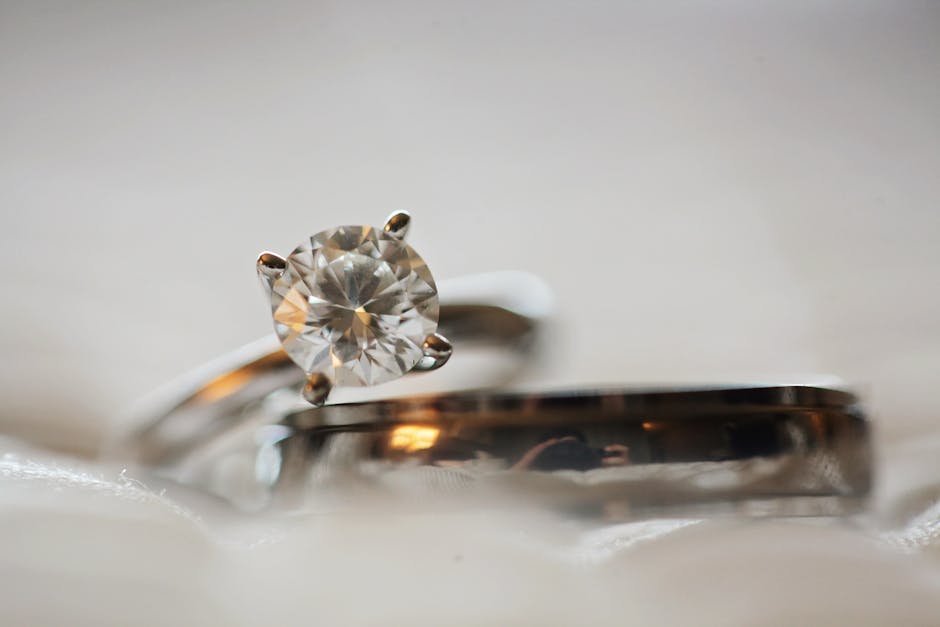
I never thought I could make jewelry. Honestly, wire wrapping seemed like something only experienced crafters could do—those intricate designs looked impossible to a beginner like me. But after my first successful attempt at a simple crystal ring, I'm hooked, and I want to share this beginner-friendly method with you.
What makes this project perfect for beginners? You don't need expensive tools. In fact, I made my first ring with nothing but a pair of household pliers and materials I bought for under $12. And let me tell you—when you slip that first handmade ring onto your finger and realize you created something beautiful from scratch, it's an incredibly satisfying feeling.
Materials You'll Need
The beauty of this project lies in its simplicity. Here's everything you need to get started:
- Wire: 20-gauge copper wire (for the ring base) and 24-gauge wire (for wrapping)
- Crystal: A tumbled stone or crystal chip (1-2 cm in size)
- Tools: Round-nose pliers and chain-nose pliers
- Cutter: Wire cutters or sharp kitchen scissors
Choosing the right crystal matters. I made the mistake early on of using a raw, jagged stone that just wouldn't sit right in the wire. Smooth, tumbled stones work best—they're easier to wrap and more comfortable to wear. If you're wondering about genuine vs. synthetic crystals, both work well for wire wrapping, though natural stones often have unique variations that make each ring one-of-a-kind.
Why Wire Gauge Matters
Let me share something I learned the hard way: wire gauge is not something you can improvise. I tried making my first ring with 22-gauge wire for everything, and the result was a flimsy base that lost its shape after just a few days of wear.
Here's what each gauge does:
- 20-gauge wire: This forms your ring's structural base. It's sturdy enough to maintain its shape while still being flexible enough to adjust for your finger size. Think of it as the skeleton of your ring—it needs to be strong enough to withstand daily wear.
- 24-gauge wire: This is for wrapping and securing the crystal. It's thin and pliable, allowing you to create those intricate coils and wraps that hold everything in place without overpowering the crystal's beauty.
Cost Breakdown
One of the best parts about this hobby is how affordable it is. Here's what I spent for materials to make over 10 rings:
- Copper wire: $5-6 (50 feet of 20g + 50 feet of 24g)
- Tumbled crystals: $2-3 each (I bought 3 different ones)
- Basic tool set: $0-4 (I already had household pliers; you might need to buy a basic set)
Total cost: $8-12 for materials to make 10+ rings. That's less than $1 per ring—pretty incredible for handmade jewelry!
Step-by-Step Tutorial
Step 1: Measure Your Ring Size
Before cutting any wire, you need to know your ring size. I used a simple method: wrapped a piece of string around my finger, marked where it overlapped, then measured that length against a ruler. My size came out to about 2.5 inches in circumference.
Pro tip: Measure your finger at different times of day—fingers swell in heat and shrink in cold. I'd recommend measuring at night when your fingers are slightly larger to ensure a comfortable fit.
Step 2: Create the Ring Base
Take your 20-gauge wire and cut a piece about 3 inches longer than your measured circumference. For my 2.5-inch finger, I cut a 5.5-inch piece to give myself room for wrapping the ends together.
Using your round-nose pliers, create a small loop at one end of the wire—about 1/8 inch in diameter. This will anchor your wrapping wire later. Then, bend the wire around a round object slightly smaller than your finger size (I used a marker) to form a rough circle shape. Don't worry about making it perfect yet—you'll refine it in the next steps.
Step 3: Prepare the Crystal
Now's the time to decide how you want your crystal positioned. I prefer to place it slightly off-center on the ring, which creates a more organic, asymmetrical look. Hold the crystal in place on the wire ring base to visualize the final positioning.
If your crystal has a natural groove or indentation, use that as your wrapping point. Smooth stones work well with a simple top-wrap style, while stones with more interesting shapes might benefit from a side-wrap approach.
Step 4: Secure the Crystal
Take a piece of your 24-gauge wrapping wire—about 12 inches should be plenty. Starting at the loop you created in Step 2, wrap the thin wire around the base wire 3-4 times to anchor it securely.
Now, position your crystal on the ring base where you want it. Wrap the 24-gauge wire around the crystal and the base wire together, creating a snug coil that holds the stone in place. I made about 5-6 wraps around the crystal—enough to secure it without overwhelming the stone's natural beauty.
Here's where I messed up my first time: I wrapped the wire too tightly around the crystal, and a small crack appeared. The stone didn't break completely, but I learned that gentle but secure wrapping is key. If you notice the wire digging into the crystal, ease up slightly—you want it secure, not strangled.
Step 5: Finish the Base Ring
With your crystal secured, it's time to complete the ring base. Take both ends of your 20-gauge wire and overlap them slightly. Use your chain-nose pliers to wrap one end around the other 2-3 times, creating a clean, secure connection.
Trim any excess wire with your cutters, then use your pliers to tuck the sharp ends inward. You want smooth edges—nothing that will snag on clothing or scratch your skin. I actually ran my finger along the inside of the ring several times to ensure there were no rough spots.
Step 6: Shape and Refine
Now you have a completed ring, but it might not be perfectly round yet. Gently manipulate the wire with your pliers until it forms a smooth circle. Don't force it—small, gradual adjustments work best.
Check that the crystal sits securely and the wraps are even. If anything looks loose, add a couple more wraps with the 24-gauge wire. The goal is a balance between aesthetics and durability.
Step 7: Final Adjustments
Try on your ring and check the fit. It should slide onto your finger comfortably but stay in place without spinning freely. If it's too tight, gently stretch the wire by pulling the ends apart slightly. If it's too loose, squeeze the wire together at the connection point.
Last step: admire your work! I still remember the thrill of trying on my first ring—it wasn't perfect, but it was mine, and it looked pretty darn good for a first attempt.
Common Beginner Mistakes (And How to Fix Them)
I've made plenty of mistakes in my wire-wrapping journey. Here are the most common ones I've encountered—and how to avoid or fix them:
- Mistake: Wrapping wire too tightly around the crystal — This can cause the stone to crack under pressure. Solution: Apply gentle, even pressure when wrapping. The wire should be secure but not squeezing the crystal. If you notice any stress lines or cracking, stop and reposition the wrapping wire.
- Mistake: Leaving the wire too loose — The crystal will slip around or fall out completely. Solution: Make sure your wraps are snug but not constricting. Test by gently shaking the ring—if the crystal moves, add a few more wraps or adjust the tension.
- Mistake: Forgetting to tuck wire ends — Sharp wire ends can scratch your skin and snag clothing. Solution: Always trim excess wire and use pliers to bend the cut ends inward toward the ring's interior. Smooth any rough spots with your pliers.
- Mistake: Using the wrong wire gauge — 20g wire is too thick for wrapping details, while 24g wire is too flimsy for the ring base. Solution: Stick to the recommended gauges: 20g for the structural base, 24g for wrapping and securing.
Caring for Your Handmade Crystal Ring
Your new ring needs proper care to maintain its beauty. Crystal jewelry requires some special attention to keep both the wire and the stone in good condition. For detailed guidance on crystal care essentials, I recommend reading our comprehensive guide on cleaning, storing, and protecting your crystal pieces.
Regular cleaning is important, especially if you wear your ring daily. Dirt and oils can accumulate on the wire and dull the crystal's natural sparkle. For specific tips on how to clean crystal jewelry properly, check out our dos and don'ts guide—it covers everything from gentle cleaning methods to things you should never do to your crystal pieces.
Frequently Asked Questions
Q: What if I don't have jewelry pliers?
A: You can use household needle-nose pliers in a pinch, though they're not ideal. The rounded jaws of jewelry pliers make creating smooth loops much easier. If you're planning to make more jewelry in the future, investing in a basic set (around $10-15) will save you a lot of frustration.
Q: Can I use other types of crystals or stones?
A: Absolutely! Tumbled stones work best because they're smooth and easier to wrap, but you can experiment with rough stones, sea glass, or even small cabochons. Just remember that irregular shapes might require different wrapping techniques. Start with something smooth and relatively flat before tackling more challenging materials.
Q: How long does it take to make one ring?
A: Your first ring will probably take about 30-45 minutes as you're learning the techniques. Once you get comfortable with the process, you can knock one out in 15-20 minutes. I made three rings in one afternoon after getting the hang of it—now I keep a few pieces of wire in my bag for impromptu crafting sessions.
Q: Will copper wire turn my finger green?
A: Copper can oxidize and leave a temporary green mark on some people's skin, especially in humid conditions. You can prevent this by applying clear nail polish to the inside of the ring before wearing, or by upgrading to sterling silver wire for a more durable option (though it's significantly more expensive). For me, the green mark washes off easily and doesn't bother me much—I think of it as a small price to pay for affordable materials.
Ready to Start?
Wire-wrapping is one of those hobbies that rewards patience and practice. My first ring wasn't perfect—the wraps were a bit uneven, and I struggled with getting the crystal positioned just right. But every ring I've made since then has improved, and I've developed techniques that work for my style.
The best advice I can give? Don't stress about perfection. Embrace the learning process, enjoy the creative journey, and remember that every handmade piece tells a story. Your first wire-wrapped ring won't be perfect, but it'll be yours—and that's what makes it special.
Have you tried wire-wrapping before? I'd love to hear about your experiences or see photos of your creations. And if this is your first time, don't hesitate to ask questions—I remember feeling overwhelmed at the beginning, but breaking it down into these simple steps made all the difference.

Comments