Why Sleep Is Harder Than It Should Be
Why Sleep Is Harder Than It Should Be
If you've ever stared at your ceiling at 2am wondering why your brain won't shut up, you already know that good sleep isn't something you can force. You can buy the right mattress, keep your room cold and dark, avoid screens before bed, and still lie awake for hours. Sleep is complicated, and there's no single solution that works for everyone.
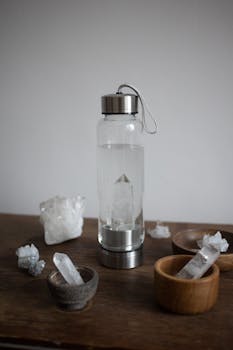
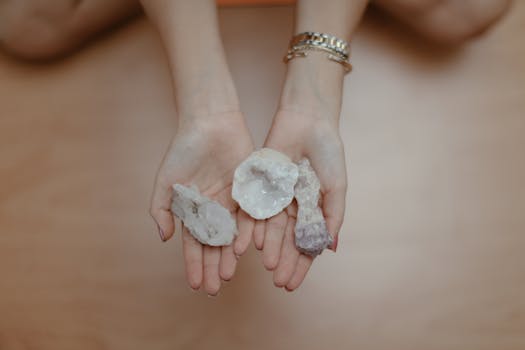
Crystals have been used for thousands of years across various cultures as part of sleep and relaxation practices. While they're not a substitute for good sleep hygiene or medical treatment for insomnia, many people find that incorporating crystals into their bedtime routine helps them wind down and create a sense of calm. If you're curious about which crystals for better sleep might be worth trying, here are seven that come up most often in practice and tradition. Each has a different character and a different reason people gravitate toward it at bedtime.
Why People Turn to Crystals for Sleep at All
Before getting into the specific crystals, it's worth acknowledging why this practice exists. Humans have used stones and minerals in ritual and daily life for tens of thousands of years. Ancient Egyptians placed lapis lazuli in tombs. Roman soldiers carried hematite for protection. Tibetan Buddhists use malachite and turquoise in prayer beads. The idea that stones have symbolic or emotional significance is not new, and it's not going away.
In the context of sleep, crystals serve as what psychologists would call a "cognitive anchor" — a physical object that your brain associates with a specific mental state. If you consistently use a particular crystal as part of a wind-down routine, your brain starts to treat that crystal as a signal that it's time to relax. The crystal itself isn't doing anything chemically, but the ritual around it can genuinely help with the transition from waking to sleeping. That's not mystical — it's basic conditioning.
Amethyst: The Classic Sleep Stone
Amethyst is probably the most commonly recommended crystal for sleep, and it has the longest history of use for this purpose. The ancient Greeks believed amethyst could prevent drunkenness (the name comes from "amethystos," meaning "not intoxicated"), but the stone has also been associated with calm and clarity for centuries.
In crystal traditions, amethyst is said to promote a calm mind and help with racing thoughts at bedtime. Practically, many people place a piece of amethyst on their nightstand or under their pillow and report that it helps them feel more relaxed as they fall asleep.
The deep purple color of amethyst is part of its appeal — color psychology research suggests that purple tones can have a calming, meditative effect, which may contribute to why people associate this stone with rest. Whether you believe in the energetic properties or not, having a beautiful purple crystal on your nightstand is a pleasant visual cue that it's time to slow down.
Selenite: Named After the Moon
Selenite gets its name from Selene, the Greek goddess of the moon, which should give you a hint about its traditional associations. This soft, white, translucent crystal has been connected to peace, clarity, and calm across multiple cultural traditions for thousands of years.
Selenite is structurally unique — it's a form of gypsum, and it's soft enough that you can scratch it with your fingernail. It has a natural, ethereal glow when light passes through it, which makes it popular as a bedside lamp material. Selenite towers and lamps are widely available and cast a warm, soft light that many people find soothing at night.
The practical benefit here is straightforward: if you're using a selenite lamp as your only bedside light source, you're naturally reducing blue light exposure before sleep. That alone can improve sleep quality, regardless of what you believe about the crystal itself.
Howlite: The Quiet One
Howlite doesn't get as much attention as amethyst or selenite, but it's worth knowing about. This white stone with gray veining is traditionally associated with patience and calm, and it's often recommended for people who have trouble quieting their mind at bedtime.
What makes howlite interesting is its texture. It's smooth and cool to the touch, and some people find that holding a piece of howlite while lying in bed — almost like a worry stone — gives their hands something to do, which paradoxically helps their mind relax. It's similar to the principle behind fidget tools and stress balls.
Howlite is also one of the more affordable crystals on this list, so if you're just starting to explore crystals and don't want to spend much, it's a low-risk entry point.
Lepidolite: The Lithium Connection
Lepidolite is a pinkish-purple mica mineral that contains lithium — yes, the same element used in some anxiety and mood-stabilizing medications. This geological fact is sometimes cited as a reason lepidolite is associated with calm and emotional balance in crystal traditions.
It's worth being clear here: holding a lepidolite crystal is not the same as taking lithium medication. The lithium in lepidolite is chemically bound within the mineral structure and isn't absorbed through your skin. The traditional association is cultural and symbolic, not pharmacological.
That said, many people who work with crystals specifically for sleep and anxiety report that lepidolite is one of the most effective options. It's commonly placed under a pillow or on a nightstand, and its soft, dusty pink color makes it aesthetically pleasing in a bedroom setting.
Blue Lace Agate: Gentle and Grounding
Blue lace agate is a banded agate with soft blue and white patterns. In crystal traditions, it's associated with communication, calm expression, and emotional peace. For sleep, it's often recommended for people whose racing thoughts are tied to anxiety about the next day — work stress, social situations, or general overthinking.
The blue tones are relevant from a design perspective. Blue is consistently ranked as the most calming color in color psychology studies, and having blue-toned objects in your sleeping environment can contribute to a sense of tranquility. A blue lace agate tumble stone on your nightstand serves this function while also looking attractive.
Blue lace agate is also relatively hard and durable, so it holds up well to being handled regularly, kept in a pocket during the day, or placed under a pillow at night without chipping.
Black Tourmaline: The Protector
Black tourmaline stands out on this list because it's dark, opaque, and doesn't have the soft, calming aesthetic of the other crystals mentioned. But it serves a different purpose in crystal traditions: protection from negative energy and electromagnetic fields.
In the context of sleep, black tourmaline is often recommended for people who feel unsettled in their bedroom — whether from street noise, a sense of unease, or the presence of electronics. Many crystal enthusiasts place black tourmaline near their bed or on their windowsill, believing it creates a more protected, grounded sleeping environment.
The practical angle: black tourmaline is extremely durable (7-7.5 on the Mohs scale), so it's basically indestructible in a bedroom setting. If you want a crystal you can throw in a bag, keep on a windowsill for years, and never worry about damaging, this is a solid choice.
Rose Quartz: Comfort and Self-Care
Rose quartz is the pink crystal most people recognize immediately. It's traditionally associated with love, comfort, and emotional healing. For sleep, it's recommended for people who have trouble sleeping due to emotional stress — grief, relationship difficulties, loneliness, or general sadness.
The connection between emotional state and sleep quality is well-documented. Negative emotions and stress activate your body's fight-or-flight response, which raises cortisol levels and makes it harder to fall and stay asleep. Whether rose quartz helps with this through symbolic meaning, visual comfort, or something else entirely, many people find it useful as part of a bedtime self-care routine.
Rose quartz is widely available in tumbled form, as polished palm stones, and even as facial rollers. Having rose quartz as part of a pre-sleep routine — maybe holding a palm stone while doing breathing exercises — can create a ritual that signals to your brain that it's time to wind down.
How to Actually Use Crystals for Sleep
There's no single "correct" way to use crystals for better sleep. The most common approaches include keeping one or two crystals on your nightstand, placing them under your pillow, holding them while doing a bedtime meditation or breathing exercise, or incorporating them into a broader wind-down ritual that might include dim lighting, stretching, or journaling.
The thing that seems to matter most isn't which specific crystal you choose — it's the consistency of the practice. Using a crystal as a nightly cue for relaxation works because you're building a habit: crystal on nightstand equals wind-down time. The crystal is the trigger, and the routine you build around it is what actually helps you sleep.
Start with one crystal that appeals to you — whether because of its color, its traditional associations, or simply because you like the way it looks. Use it consistently for a few weeks before deciding whether it's helping. And if it's not doing anything for you, that's fine too. Try a different one, or try a different approach to sleep entirely. The goal is better rest, not crystal loyalty.
Comments