Crystals for Better Sleep: A Practical Guide That Actually Works
Why I started putting rocks next to my bed (and what actually happened)
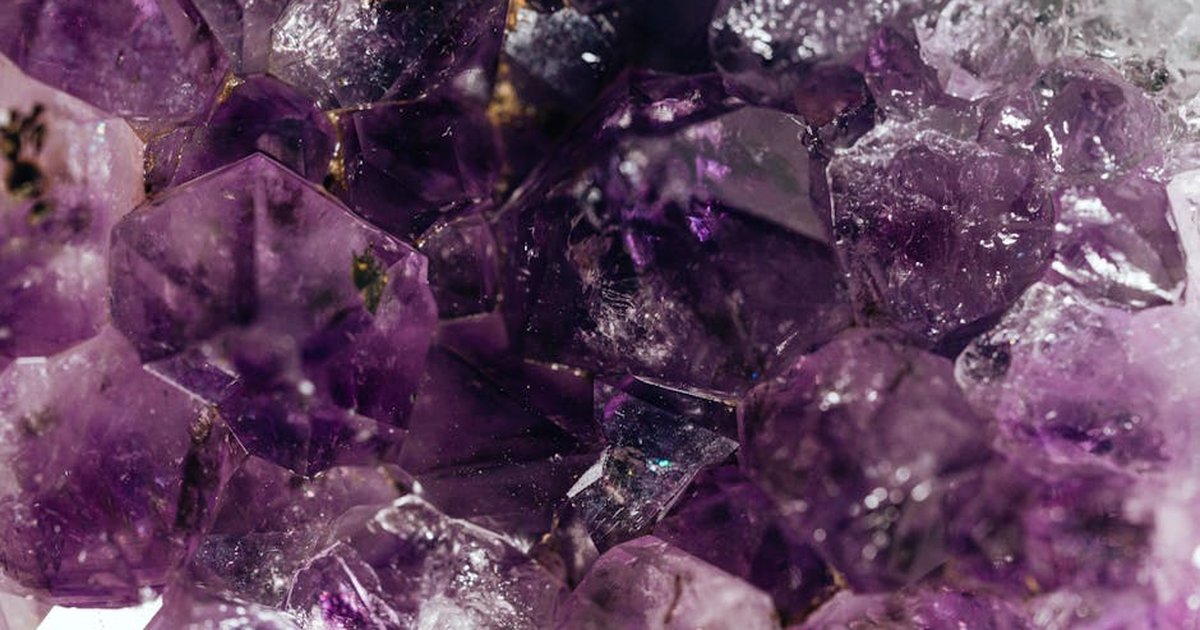
I never planned to be the person with crystals on their nightstand. A friend gave me a piece of amethyst after a particularly rough month of insomnia, half-joking that it would "calm my energy." I smiled, thanked her, and put it on my desk where it collected dust for two weeks.
Then one night, wide awake at 3 AM for the fourth time that week, I grabbed it. Not because I believed in crystal magic — I didn't. I grabbed it because I was desperate enough to try anything, and holding something cool and smooth gave my hands something to do besides doom-scrolling my phone.
That night I fell asleep in about twenty minutes. Was it the amethyst? Probably not. Was it the act of putting my phone down and focusing on something physical instead? Almost certainly. But that small moment started me down a path of actually looking into whether crystals and sleep have any real connection — beyond the Instagram wellness posts.
The honest truth about crystals and sleep
Let me save you the suspense: there is no peer-reviewed study proving that amethyst cures insomnia. No double-blind trial where scientists handed one group rose quartz and another group a placebo stone. The science just isn't there, and anyone telling you otherwise is selling something.
But here's what I found interesting. Several of the practices around crystal use for sleep — creating a calming bedtime routine, using tactile objects to reduce anxiety, setting intentions before bed — these things have actual research behind them. The crystals might be the placebo, but the ritual around them can genuinely help.
A 2021 study in the Journal of Clinical Sleep Medicine found that consistent bedtime routines improved sleep quality regardless of what the routine involved. Another study on "object attachment" showed that people who had a physical comfort object reported falling asleep faster than those who didn't.
So the crystal itself? Neutral. The behavior it enables? That's where the value lives.
How to set up a crystal sleep routine (step by step)
This is what worked for me after several months of experimentation. I'm not claiming it's scientific. I'm claiming it turned my 3 AM panic sessions into something manageable.
Step 1: Pick one crystal, not twelve
The wellness industry wants you to buy a starter pack, a grid kit, a charging plate, and a sage bundle. Don't. Start with one stone. The most common choices people reach for around sleep are:
- Amethyst — the default "calming" crystal. Purple, easy to find, relatively cheap. Most of the sleep-related crystal content online centers on amethyst.
- Howlite — white with grey veining. Often recommended for stress relief. I've seen it described as "the borax of crystals" because it's inexpensive and widely available.
- Lepidolite — contains lithium, which is actually used in psychiatric medication. The crystal itself won't dose you with lithium (that's not how geology works), but the connection makes it popular in sleep circles.
- Selenite — a soft, translucent gypsum. People like it because it glows when backlit, which is admittedly cool on a nightstand.
I started with amethyst because my friend gave it to me. If you're buying, howlite is probably the most cost-effective starting point.
Step 2: Clean it (even if you think it's silly)
Rinse it under cool water. Dry it with a soft cloth. That's it. You don't need moonlight charging or singing bowl ceremonies. The point is the act of doing something deliberate with the stone — treating it as a transition object between your waking and sleeping self.
I run mine under the tap for about thirty seconds while thinking about the fact that I want to sleep tonight. That's the whole "cleansing" process. Takes less than a minute.
Step 3: Put it somewhere you'll actually touch it
The stone doesn't work if it's across the room on a shelf. Put it on your nightstand, under your pillow, or — what I ended up doing — hold it while you do your wind-down routine.
I hold my amethyst while doing a simple breathing exercise: four seconds in, hold for seven, out for eight. The crystal gives my fingers something to occupy themselves with, which stops me from reaching for my phone. After about five minutes of this, I place it on my nightstand and turn off the light.
Step 4: Pair it with one other sleep hygiene habit
This is the part that actually matters. The crystal is a prop. The real work is in building a consistent wind-down. Pick one:
- No screens thirty minutes before bed (the big one — blue light genuinely disrupts melatonin production)
- A fixed bedtime within a thirty-minute window
- Room temperature between 65-68°F (18-20°C)
- A short body scan or progressive muscle relaxation
The crystal becomes the physical anchor for whichever habit you choose. Over time, just picking up the stone starts signaling your brain that it's sleep time. That's classical conditioning, and it's well-documented.
Step 5: Give it two weeks before judging
One night with a crystal and a new routine means nothing. Two weeks is where you start to see whether the combination is helping. Track your sleep roughly — just note whether you fell asleep within thirty minutes and whether you woke up during the night. No apps required unless you want to use one.
Things that didn't work for me
In the interest of honesty, here's what I tried that was a waste of time:
- Crystal grids by my bed — looked pretty, functioned as a cat toy. My cat knocked them over every single night.
- Charging crystals on my windowsill — accomplishes nothing. Sunlight can actually fade amethyst over time.
- Multiple crystals at once — more stones didn't make me sleep better. It just made my nightstand cluttered.
- Crystal-infused sleep sprays — these are just water with essential oil and marketing. Save your money.
The practical takeaway
Crystals won't cure your insomnia. But a simple, consistent bedtime routine with a physical anchor — whether that's a crystal, a worry stone, or a smooth river rock — can genuinely help you wind down. The stone itself is less important than the ritual you build around it.
What finally worked for me was: amethyst in hand, phone in another room, breathing exercise for five minutes, lights out. That's it. The crystal is the least important part of that sequence, but it's the part that makes me actually follow through. And sometimes that's enough.
If you're dealing with serious, chronic insomnia, talk to a doctor. Crystals are a complement to good sleep hygiene, not a substitute for medical care.
Comments