The Best Crystal Mining Road Trips in the
May 14, 2026
The Best Crystal Mining Road Trips in the United States
There is something deeply satisfying about pulling a quartz crystal out of the dirt with your own hands. No store display, no online listing — just you, a shovel, and a patch of earth that has been growing crystals for millions of years. The United States happens to have some of the most accessible public digging sites on the planet, many of them clustered along routes that make for an excellent long-weekend or full-week road trip.
This guide covers six destinations across four regions, with practical details on what you can actually find, when to go, what to bring, and how to plan the drive between stops. If you have been thinking about turning a vacation into a rockhounding adventure, this is your blueprint.
Planning Your Crystal Mining Road Trip
Best Time of Year
Most public digging sites in the US operate seasonally, typically from late spring through early fall. Mines at higher elevations — like those in Colorado or Montana — may not open until June and can close by September once snow starts falling. Arkansas and North Carolina sites usually have longer seasons, sometimes running from March through November.
Summer brings heat and crowds. Spring and fall offer milder weather, softer light for photographing your finds, and fewer families competing for the best digging spots. Weekdays are almost always less busy than weekends at commercial fee-dig operations.
What to Pack
- Basic tools: garden trowel, small hand rake, a bucket or canvas bag for specimens, and a spray bottle filled with water to rinse dirt off potential finds in the field
- Safety gear: safety glasses (rock chips fly), work gloves, sturdy boots with ankle support, and a wide-brimmed hat
- Navigation: many mine sites are down dirt roads with patchy cell service — download offline maps before you leave pavement
- Comfort: plenty of water (more than you think you need), sunscreen, a folding stool if you plan to sit and screen material for hours, and a cooler with lunch
- For your finds: newspaper or bubble wrap to cushion crystals during the drive home, plus a permanent marker to label specimens before you forget what came from where
Rules and Ethics
Always check whether you are on public or private land. Bureau of Land Management (BLM) areas generally allow casual collecting of reasonable amounts for personal use, but National Parks prohibit removing any rocks, minerals, or fossils. Commercial fee-dig sites each have their own policies — some let you keep everything you find, others charge by weight or by the specimen.
Fill in your holes. Do not dig into embankments or undermine tree roots. If a site has posted rules about how deep you can dig or which areas are off-limits, follow them. These places stay open because visitors behave responsibly.
Route 1: The Arkansas Quartz Corridor
Stop 1 — Ron Coleman Mining (Jessieville, AR)
Ron Coleman Mining sits in the Ouachita (pronounced wash-ih-taw) Mountains, about an hour west of Little Rock. This area produces some of the clearest quartz crystal in the world — the kind that made Arkansas famous among mineral collectors. The mine offers both surface collecting and underground digging in the crystal vein.
You can book a dig that includes a guided tour of the commercial mining operation, which gives you a sense of the geology before you start swinging a pickaxe yourself. Most visitors find multiple point crystals in a single day, and the occasional cluster makes the trip memorable. They also have a zip line if you need a break from digging.
Stop 2 — Wegner Quartz Crystal Mines (Mount Ida, AR)
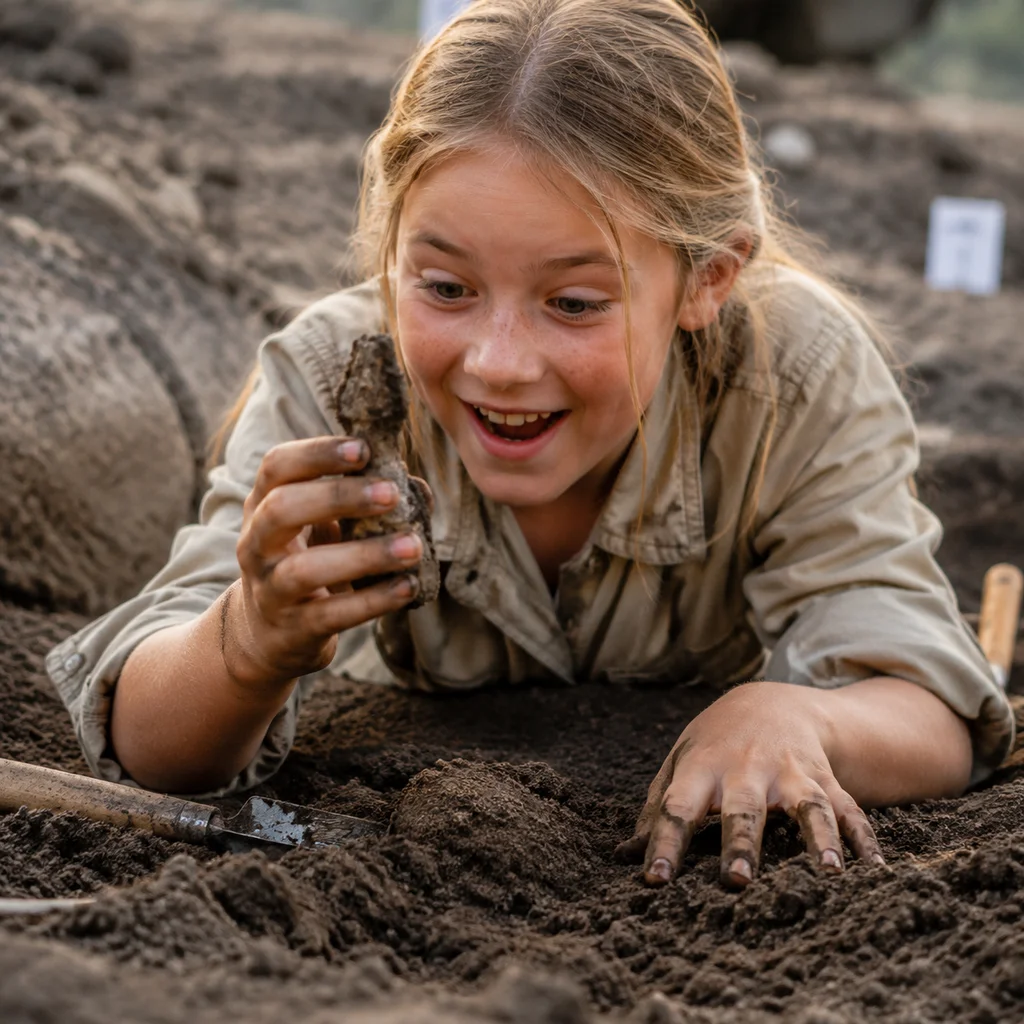
About 45 minutes west of Ron Coleman, Mount Ida calls itself the "Quartz Crystal Capital of the World." Wegner Quartz Crystal Mines is one of several operations in the area, and it offers a different experience: a large tailings pile where you can surface-collect at your own pace, plus a crystal forest walk where specimens have been placed along a trail for easy spotting (great for kids or anyone who wants guaranteed results).
The drive between Jessieville and Mount Ida runs through the Ouachita National Forest — rolling hills, pine forests, and very little traffic. It is a pleasant 45-minute drive that does not feel like a chore.
Stop 3 — Crater of Diamonds State Park (Murfreesboro, AR)
This is the only public diamond mine in the world. The crater is the eroded surface of an ancient volcanic pipe that brought diamonds to the surface about 100 million years ago. You pay an admission fee, grab a rented or brought-from-home screen and shovel, and search a 37-acre plowed field for diamonds, lamproite, garnet, and other volcanic minerals.
Visitors find real diamonds here regularly — the park records over 600 finds per year on average. Most are small, but a few each year weigh over a carat. The policy is finder-keepers: whatever you find is yours to keep, no questions asked.
Driving time from Mount Ida to Murfreesboro is roughly 90 minutes through rural Arkansas back roads.
Route 2: The North Carolina Gem Belt
Stop 1 — Emerald Hollow Mine (Hiddenite, NC)
Hiddenite is the only place in North America where emeralds are commercially mined, and Emerald Hollow Mine lets the public dig for them. The site also produces hiddenite (a green variety of spodumene named after the town), aquamarine, garnet, rutile, and monazite.
The mine offers three levels of access: surface collecting, sluicing (running buckets of mine dirt through a water flume), and hard-rock digging in the actual emerald-bearing veins. The sluicing option is the most popular and the easiest for beginners — you buy buckets of pre-loaded ore and wash them through screens while running water separates the heavy minerals from the lighter dirt.
Stop 2 — Cherokee Ruby and Sapphire Mine (Franklin, NC)
About two hours west of Hiddenite, the town of Franklin sits in the Cowee Valley, one of the oldest gem mining districts in the United States. Cherokee Ruby and Sapphire Mine is a flume-mining operation where you sit at a covered water trough and wash buckets of mine dirt to find rubies, sapphires, garnet, and rutile.
Franklin itself is a small mountain town worth spending time in. Main Street has several gem shops where local cutters will facet your rough finds into finished stones while you wait. The surrounding mountains offer hiking, waterfalls, and scenic drives if you want to mix digging with other outdoor activities.
Stop 3 — Sheffield Mine (Franklin, NC)
Still in Franklin, Sheffield Mine is another flume operation with a different geology — the dirt here comes from a different part of the Cowee Valley, so the gem assemblage is slightly different. You can find ruby, sapphire, and occasionally rare minerals like sillimanite.
Staying in Franklin for two days lets you hit both mines without repacking. The town has affordable motels, cabins, and campgrounds, and the pace is unhurried in a way that bigger tourist towns have lost.
Route 3: Western States — Colorado and Montana
Stop 1 — Sweet Home Mine (Alma, CO)
Colorado is rhodochrosite country. The Sweet Home Mine near Alma produced some of the finest rhodochrosite specimens ever found — vivid red, gemmy, crystallized on quartz matrix. The mine is now primarily a specimen recovery operation, but nearby sites in the same geological belt allow public collecting of fluorite, amazonite, smoky quartz, and topaz.
The Pike National Forest and surrounding BLM lands near Lake George are known for topaz and amazonite. Several fee-dig operations in the area provide access to pegmatite zones where these minerals crystallize. The scenery alone — high mountain meadows, aspen groves, dramatic peaks — is worth the trip even if your bucket stays empty.
Stop 2 — Crystal Park (Philipsburg, MT)
Crystal Park is a BLM-managed site in the Pioneer Mountains of western Montana, at about 7,800 feet elevation. You can dig for smoky quartz, amazonite, and occasionally small crystals of topaz and beryl. There is no fee, but there are rules: hand tools only, no mechanized equipment, and fill in your holes.
The drive from Colorado to Philipsburg is long — plan for a full day of driving through Wyoming and into Montana. But the route takes you past Yellowstone and Grand Teton, so it doubles as a sightseeing trip. Philipsburg itself is a restored mining town with a working sapphire mine (Gem Mountain) where you can screen gravel for Montana sapphires.
What to Do With Your Finds After the Trip
Cleaning and Identifying
Most crystals you dig will be covered in clay, iron oxide, or other matrix material. A soak in warm water with a bit of dish soap, followed by gentle scrubbing with a soft toothbrush, handles most surface dirt. For iron staining, a weak solution of oxalic acid (available from hardware stores as wood bleach) will clear it up — but use it outside, wear gloves, and never put carbonate minerals like calcite in acid.
Identification takes practice. A good field guide to rocks and minerals (the National Audubon Society guide is a solid starting point) plus a loupe or magnifying glass will get you most of the way. Local gem and mineral clubs often host identification nights where experienced members can help you label your specimens.
Displaying Your Specimens
Mounted on small acrylic stands in a well-lit shelf, even modest crystals look impressive. Keep them out of direct prolonged sunlight if they are colored varieties (amethyst can fade, fluorite can darken). A glass-fronted cabinet keeps dust off and turns a collection into a display worth showing people.
For the trip itself, take photos of each specimen next to a label showing the location and date. Six months later, when you are trying to remember whether that cluster came from Arkansas or North Carolina, you will be glad you did.
Making the Trip Work Logistically
Book mine visits in advance when possible — several of the operations mentioned here have limited capacity on busy days. Confirm hours by phone or website before driving out, since weather and maintenance can cause unexpected closures.
Budget between $20 and $75 per person per mine for admission and bucket fees. Equipment rental, if you do not bring your own, adds another $10 to $20. Gas and lodging will be your biggest expenses. Camping near most of these sites is inexpensive and often free on BLM land, while small-town motels in Arkansas and North Carolina typically run $60 to $100 per night.
The real payoff is not monetary. Pulling a crystal that formed 200 million years ago out of the ground — holding something that no human hand has ever touched — is hard to replicate through any other experience. Plan the route, pack the car, and dig.
Related Guides
- Clear Quartz: The Universal Crystal Guide
- How to Clean Crystals Without Ruining Them
- 15 Creative Ways to Display and Store Your Crystal Collection
- How to Clean Crystal Jewelry: A Complete Care Guide
- How to Tell if a Crystal Bracelet Is Real or Fake
- Crystal Pricing: 7 Tricks Shops Use to Make You Overpay
- Crystal Shapes Explained: Tumbled, Raw, Points, Spheres
Frequently Asked Questions
What should I pack for a crystal mining road trip?
When planning your crystal mining road trip, pack sturdy boots, gloves, and eye protection for digging. Bring a small garden trowel, a bucket for your treasures, and plenty of drinking water. Don't forget sunscreen and a hat for sun protection. Having the right gear ensures you can comfortably and safely dig for beautiful natural stones all day long!
Where are the best public crystal mining sites in the US?
The best public crystal mining spots are spread across the US! The Arkansas Quartz Corridor is famous for massive quartz crystals, while the North Carolina Gem Belt offers emeralds and sapphires. Out West, Colorado and Montana boast incredible amethyst and smoky quartz. Each region offers unique, handcrafted quality stones waiting to be discovered.
Can you keep the crystals you find at public mines?
Yes, at most public crystal mining sites and pay-to-dig quarries, you can keep the natural crystals you uncover! Policies vary by location, but generally, whatever you find in the dirt is yours to take home. Always double-check the specific mine's rules before you start digging to ensure you have a seamless experience.
What do you do with raw crystals after mining them?
After a successful mining trip, gently wash your raw crystals with soapy water and a soft brush to reveal their natural beauty. You can display them raw in your home, or take them to a skilled artisan to be transformed into custom, handcrafted jewelry. Turning your personal finds into wearable art is a wonderful way to commemorate your adventure!
Is crystal mining safe for beginners and families?
Crystal mining is incredibly safe and rewarding for beginners, children, and families! Many public mines provide specially prepared dirt piles or salted areas that require no heavy digging. As long as you follow basic safety guidelines, supervise young children, and wear protective gear, it’s a fantastic, family-friendly outdoor activity.

Comments