Crystal Meditation for Beginners: An Honest Take After One Month of Practice
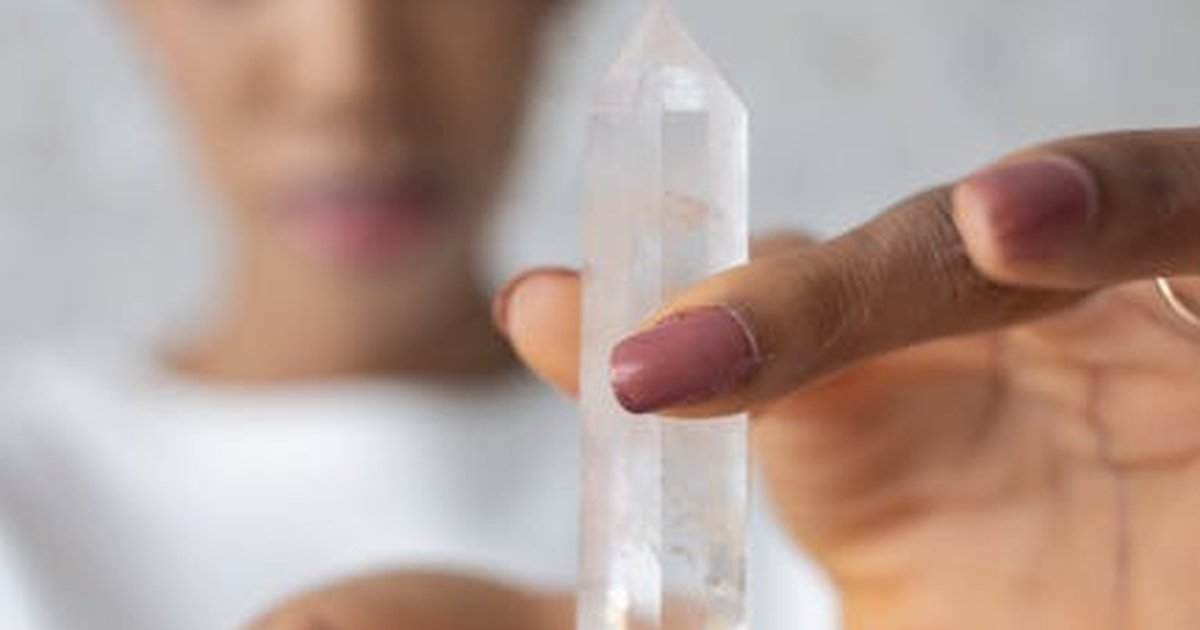
I tried crystal meditation for a month and here's what nobody tells you
The first time I sat down with a crystal and tried to meditate, I lasted about ninety seconds before checking my phone. The crystal — a chunk of clear quartz I'd bought at a farmer's market for four dollars — sat in my palm doing absolutely nothing, and I felt like an idiot.
Meditation guides make it sound effortless. "Hold your crystal, set your intention, breathe deeply." In reality, my brain was running through tomorrow's grocery list, an email I forgot to send, and whether I'd left the stove on. The quartz was not helping.
But I kept at it, mostly because I'd told a friend I would and I'm too stubborn to admit defeat. A month later, something shifted. Not dramatically — no spiritual awakening, no chakra alignment, no sudden clarity about my life's purpose. But my baseline anxiety dropped noticeably, and I started sleeping better. Here's what I actually learned, minus the Instagram aesthetics.
The crystal is a paperweight for your attention
This is the core insight that nobody in the crystal community talks about because it's not mystical enough. When you hold a crystal during meditation, you're giving your hands something to do. That's the whole trick.
There's a reason worry stones and prayer beads exist across virtually every culture on Earth. Fidgeting with a physical object occupies a specific part of your brain — the sensorimotor cortex — that would otherwise be scanning for things to worry about. It's the same principle behind why people click pens, bounce their legs, or shred napkins in meetings.
A crystal works the same way, except it's smoother, heavier, and more pleasant to hold than a shredded napkin. The "energy" people describe feeling is probably just their nervous system settling because their hands finally stopped twitching.
Why most crystal meditation advice is unhelpful
Most guides tell you to "clear your mind" and "focus on the crystal's energy." Let me be blunt: you cannot clear your mind. Your brain generates about 6,200 thoughts per day. Trying to stop thinking is like trying to stop blinking — the harder you try, the more aware you become of every single thought.
What actually works is redirecting attention, not eliminating it. Here's the difference:
Unhelpful approach: "Focus on the crystal. Feel its vibration. Clear all other thoughts."
Actually useful approach: "Notice the weight of the crystal in your hand. Notice its temperature. Notice the texture. When your mind wanders — and it will — notice that it wandered, and bring your attention back to the physical sensation."
The second approach is basically mindfulness meditation with a prop. It's not new. It's not revolutionary. But it works, and the crystal makes it more engaging than staring at a blank wall.
The real problem with crystal meditation content
I spent an embarrassing amount of time reading crystal meditation blog posts and watching YouTube videos while researching this. Most of them fall into one of three categories:
Category 1: The scientific skeptic. "Crystals have no scientific basis for healing." True, but completely unhelpful to someone who wants to try it anyway. Dismissing the practice entirely misses the point that the ritual itself can be valuable regardless of whether the stone has special properties.
Category 2: The uncritical believer. "Amethyst opens your third eye and connects you to the astral plane." This is marketing dressed up as spirituality, and it's exhausting. If you're someone who responds to "open your third eye," you don't need this article. If you're someone who rolls their eyes at that phrase, this content actively drives you away from something that might actually help.
Category 3: The vague wellness influencer. "Hold your crystal, breathe, and let the healing energy flow." This sounds nice but provides zero practical guidance. It's the content equivalent of telling someone to "just relax."
What's missing is the middle ground: a practical, honest take that acknowledges the lack of scientific evidence for crystal properties while recognizing that the practice of focused attention with a physical anchor has genuine psychological benefits.
My actual routine (after a month of experimentation)
This is what I settled on. It's not glamorous. It takes five to ten minutes. It requires exactly one crystal and a place to sit.
- Grab the crystal. I use clear quartz because it's cheap and I don't care if I drop it. Rose quartz or amethyst work fine too. Literally any stone you find pleasant to hold.
- Set a timer. Five minutes. Not twenty. Not an hour. Five minutes. You can always go longer if you want, but starting with five removes the pressure.
- Sit down. Chair, floor, bed — doesn't matter. Back straight enough that you're not slumping, comfortable enough that you're not distracted by discomfort.
- Hold the crystal in your non-dominant hand. No mystical reason for this. Your non-dominant hand is less coordinated, which means you'll be more aware of the physical sensations.
- Focus on the physical sensation. Weight, temperature, texture, edges. Count three distinct features of the crystal in your hand.
- Breathe normally. Don't do any special breathing technique. Just breathe. Notice the rhythm.
- When your mind wanders — and it will — notice it and come back. This is the entire practice. Noticing the wandering and returning. That's it. That's the whole thing.
- When the timer goes off, put the crystal down and go about your day.
I do this once in the morning and sometimes again before bed. Morning sessions help me start the day without immediately reaching for my phone. Evening sessions help me wind down. The crystal makes both easier to stick with because it gives the practice a physical beginning and end.
What changed after a month
I didn't become a different person. I didn't develop psychic abilities. I didn't start seeing auras. But three things did change:
First, my sleep improved. Not dramatically — I went from waking up three times a night to usually sleeping through. The evening meditation session replaced my habit of scrolling in bed, which was probably the real mechanism. But the crystal routine made the habit stick.
Second, I got better at noticing when my anxiety was ramping up. The practice of "notice the wandering, return to the crystal" translated into daily life as "notice the spiral, return to the present moment." That sounds like wellness influencer talk, but it's genuinely just pattern recognition training. Your brain gets better at whatever you practice.
Third — and this surprised me — I started looking forward to it. Not in a spiritual way. In the same way I look forward to my morning coffee. It became a small, predictable moment of quiet in a day that otherwise doesn't have many of those.
The bottom line
Crystal meditation isn't magic. It's mindfulness meditation with a prop. The prop matters because it makes the practice more accessible and more consistent. If you already meditate without crystals, adding one probably won't change much. If you've tried and failed to build a meditation habit, a crystal might be the thing that makes it stick.
Don't overthink which crystal to use. Don't spend a lot of money. Don't worry about "cleansing" or "charging" it. Just find a stone that feels nice in your hand, sit down for five minutes, and pay attention to what you're holding. That's the whole practice.
Comments