7 Crystal Charging Methods, Tested and Compared: Which Ones Are Worth the Effort?
May 13, 2026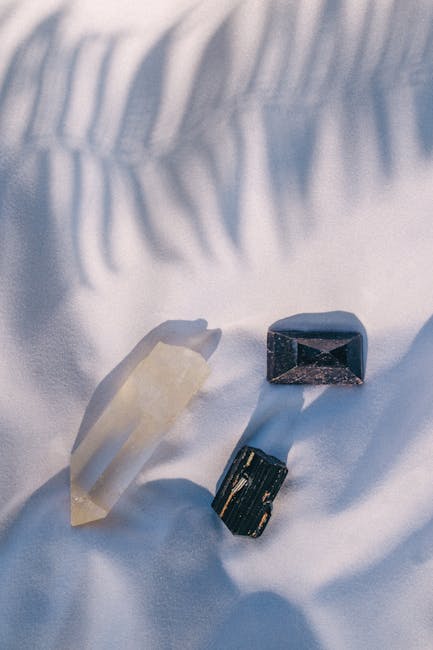
7 Crystal Charging Methods, Tested and Compared: Which Ones Are Worth the Effort?
Crystal charging splits people right down the middle. Half the internet treats it like ancient wisdom, the other half thinks it's nonsense. I've spent months testing every mainstream method I could find, and the truth is somewhere in between. I don't buy that rocks store invisible energy fields. But the rituals themselves — the intention, the physical care — have real value. This is my field report from testing seven methods head-to-head.
What Is Crystal Charging, Really?
The basic idea: stones interact with energy and need periodic "refreshing." Practitioners believe crystals pick up negativity from their environment, and charging resets them. I'm not here to confirm or mock that. What I can say is that many of these methods double as genuine maintenance — avoiding salt water on soft stones, keeping amethyst out of direct sun. Those are real preservation tips wrapped in spiritual language.
I tested each method with the same crystal set: clear quartz point, amethyst cluster, rose quartz palm stone, black tourmaline chunk, and selenite wand. Here's what I found.
Method 1: Moonlight Charging
How It Works
Place your crystals on a windowsill or outside where they'll catch moonlight, ideally during a full moon. Leave them out from dusk until dawn.
Best For
Almost any crystal. Moonlight is UV-free and gentle, so it won't fade colors or damage delicate stones. This is the method most practitioners consider universally safe.
What I Noticed
I set crystals on a balcony during three full moons. The experience was pleasant — there's something satisfying about a ritual that gets you to look at the night sky. The crystals? Looked exactly the same. But the habit of setting them out and bringing them in created a nice care routine.
The Catch
Weather dependent. Cloudy nights mean no direct moonlight. City light pollution doesn't help. Morning dew or rain can damage water-sensitive minerals left outside.
Method 2: Sunlight Charging
How It Works
Set crystals in direct sunlight for a few hours, typically morning sun is recommended as it's less intense.
Best For
Clear quartz, citrine, carnelian, and other hard, color-stable stones. Sunlight does give crystals a nice warm feeling — literally, since dark stones absorb heat.
What I Noticed
The crystals got warm. That's about it. But crystals that change color in sunlight are more common than you'd think. My amethyst lightened after one afternoon. Rose quartz fades too. Dyed or treated stones lose their artificial color fast.
The Catch
Highest-risk method on this list. Clear quartz can focus sunlight like a magnifying glass and start fires on flammable surfaces — people have burned their houses down this way. Keep quartz points away from curtains and paper.
Method 3: Sound Charging (Tuning Forks and Singing Bowls)
How It Works
Use sound vibrations to "clear" and "charge" crystals. This can be done with tuning forks, singing bowls, bells, or even clapping near the stones. If you're curious about using a singing bowl for crystals, it's one of the more popular approaches in this category.
Best For
All crystals, since sound vibrations don't make physical contact. This is especially useful for fragile or water-sensitive stones that limit your other options.
What I Noticed
I used a 440 Hz tuning fork and a small metal singing bowl. The vibrations are tangible when you hold the crystal during the session. It's genuinely calming as a mindfulness practice. The crystal itself? Unchanged in any detectable way.
The Catch
Requires equipment — singing bowls run $30-80, tuning forks less but still an investment. You also need a quiet space.
Method 4: Smoke Cleansing (Sage and Palo Santo)
How It Works
Light a bundle of dried sage or a stick of Palo Santo wood, blow it out so it smolders, and pass your crystals through the smoke several times. Some people do this while setting an intention or saying something aloud.
Best For
Any crystal that isn't porous enough to absorb smoke residue. Smooth, polished stones are fine. Rough, porous specimens like raw selenite might pick up the smell.
What I Noticed
The smell is divisive — I like the earthy sage aroma, my partner didn't. The ritual forces you to slow down and handle each crystal individually. After repeated sessions, smoke left a faint film on porous rough stones, so I switched to only using this with polished pieces.
The Catch
Fire hazard. Don't do this in a tiny closed room. White sage has sustainability issues from overharvesting — Palo Santo is better environmentally, but ethically sourced sticks are harder to find.
Method 5: Earth Burial
How It Works
Dig a small hole in the ground, place your crystals inside, cover with soil, and leave them for 24 hours to several days. The idea is that the earth "absorbs" stored energy and resets the stone.
Best For
Hard stones like quartz varieties, jasper, agate, and tourmaline. These can handle being buried without degrading.
What I Noticed
Most involved method by far. I buried crystals in a garden bed for 48 hours. When I dug them up, they needed thorough cleaning — ironic, since cleaning defeated the "earth energy" narrative. But burying something and returning for it later carries psychological weight. It felt like the most committed ritual here.
The Catch
Requires outdoor space with clean soil — not practical for apartment dwellers. Don't bury soft stones (selenite, halite, calcite); soil moisture dissolves them. Acidic soil can etch even hard stones over time.
Method 6: Water Rinsing
How It Works
Rinse crystals under running water — a stream, the ocean, or just your tap. Some people add sea salt. The water is said to wash away accumulated energy.
Best For
Hard stones on the Mohs scale (7+): quartz, topaz, corundum (ruby and sapphire), tourmaline. These can handle water exposure without issues.
If you're also thinking about cleaning your crystal jewelry, our guide on how to cleanse a crystal bracelet covers water safety in more detail, since bracelets face different risks than loose stones.
What I Noticed
Quickest method on this list. Running quartz and tourmaline under cool tap water for 30 seconds was done before I could second-guess it. The stones looked cleaner afterward — real, measurable benefit, even if unrelated to "energy."
The Catch
Can ruin certain crystals. Selenite dissolves. Calcite and halite degrade. Iron-content stones (pyrite, hematite) rust. Malachite is toxic in water — copper leaches out. Never salt-water soak anything porous, cracked, or below Mohs 5. No boiling water, ever.
Method 7: Charging With Other Crystals (Clusters and Geodes)
How It Works
Place your crystals on or inside a larger "charging" stone — typically a clear quartz cluster, an amethyst geode, or a selenite charging plate. Leave them for 24 hours or longer.
Best For
Any crystal. Since there's no water, sunlight, heat, or smoke involved, this is considered one of the safest methods across the board. Selenite and clear quartz are the two most commonly used charging stones.
What I Noticed
I placed crystals inside an amethyst geode and on a selenite slab. The geode doubled as a beautiful display piece. After 24 hours, the crystals were unchanged. The selenite slab left powdery residue on softer stones — I'd recommend a thin cloth barrier.
The Catch
Requires owning a charging stone — geodes run $20-60, selenite plates $10-20. Selenite is fragile and water-soluble, so don't rinse it.
My Ranking: Least Useful to Most Practical
After weeks of testing, here's my ranking by convenience, safety, and practical value:
7. Earth Burial — Too much work, requires outdoor space, and the crystals just end up dirty. Interesting as a one-time experience, not as a routine.
6. Sunlight — Fast but risky. The fading and fire hazards make this a method I'd only recommend for a few specific stones, and only with real caution.
5. Smoke Cleansing — Nice ritual, pleasant smell (for some), but the smoke residue, ventilation needs, and sustainability concerns keep it from ranking higher.
4. Sound Charging — Safe for all crystals and genuinely relaxing, but requires equipment and quiet space. Good for people who already own singing bowls.
3. Water Rinsing — The fastest and most practical method for hard stones. You just have to know which crystals can handle it, because getting it wrong is expensive.
2. Moonlight — Gentle, universal, and ritualistic without being labor-intensive. The only real downside is weather dependency and the need to remember to bring the crystals back inside.
1. Crystal-on-Crystal (Geodes and Slabs) — The winner for me. Zero risk to your stones, doubles as display storage, and requires almost no effort once you have the charging stone. It's the set-it-and-forget-it option.
Stones That Limit Your Options
Some crystals are picky about which methods they can tolerate. Here's a quick reference I wish I'd had when I started:
Selenite: No water. No salt. No burial (soil moisture will damage it). No prolonged direct sunlight. Your best bets are sound, moonlight, or placing it on a quartz cluster. Don't use it on other crystals if it's raw — the powdery residue transfers.
Calcite: No water, no acid, no salt. Very soft (Mohs 3). Handle gently with any method.
Amethyst: No prolonged sunlight — it fades. Water is fine. Moonlight and sound are safe bets.
Pyrite and Hematite: No water — they contain iron and will rust or develop a crust. No salt. Smoke or moonlight instead.
Malachite: No water. Contains copper, which is toxic when it leaches. Dry methods only.
Any dyed or heat-treated stone: No sunlight. The artificial color will fade. No hot water either.
The Honest Takeaway
I went into this expecting to debunk crystal charging. I came out with a different conclusion: the specific method matters less than the habit. Setting aside time to handle and care for your crystals is genuinely worthwhile. Whether that's "recharging energy" or just "maintaining your collection," the outcome is the same — attention translates into better care.
If you're starting out, get a selenite charging plate and use moonlight as backup. Those two cover everything with zero risk. Save the smoke cleansing and earth burial for when you want something more ritualistic. And keep your amethyst out of the sun — that one I can confirm from personal experience.


Comments