Discover the Crater of Diamonds: My Arkansas
May 14, 2026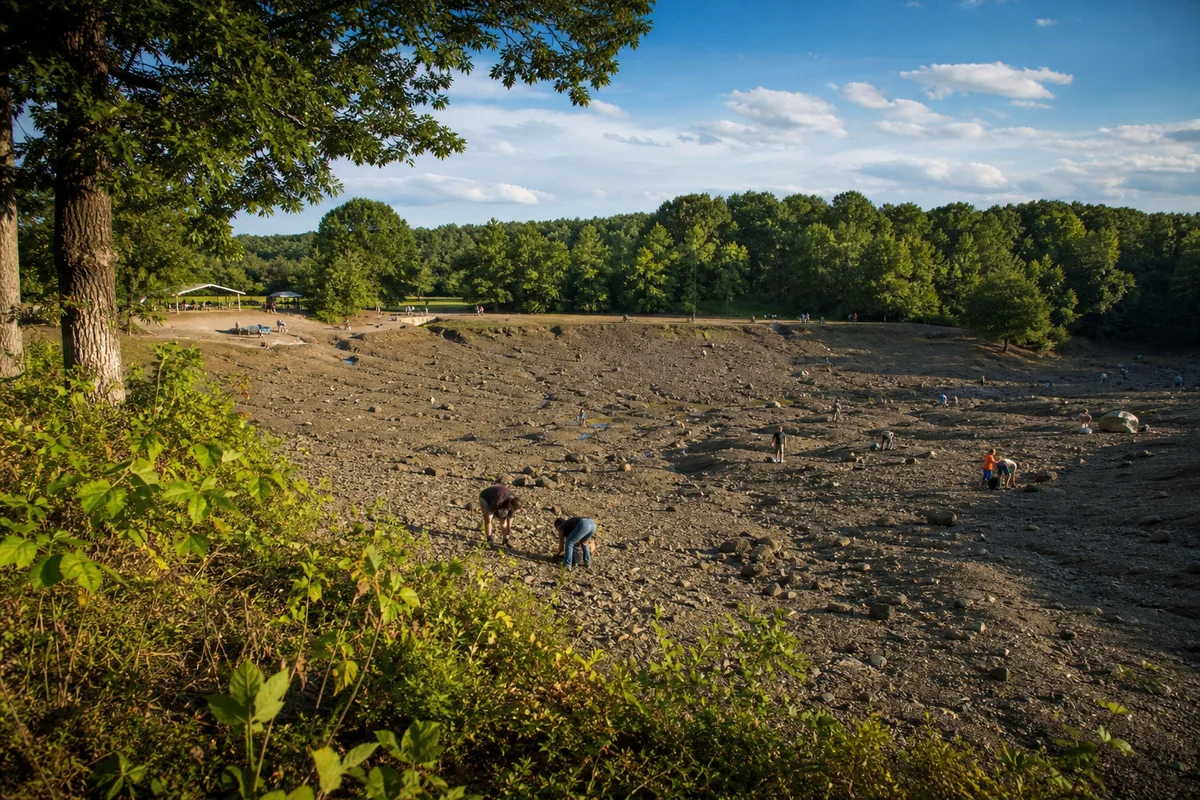
Crater of Diamonds: I Spent a Day Digging for Real Diamonds in Arkansas
There's a place in southwestern Arkansas where you can walk onto a 37-acre field and dig for actual diamonds — and keep whatever you find. It's called the Crater of Diamonds State Park, and it's the only public diamond mine in the world. I went there last June. I didn't find a diamond. But the experience was worth the trip anyway, and I'd go back tomorrow.
The Basics
Location: Murfreesboro, Arkansas (about 60 miles southwest of Hot Springs)
Hours: Open daily, typically 8 AM to 5 PM (check the website before going — hours vary seasonally)
Admission: $13 for adults, $6 for kids 6-12, free under 6
What you can find: Diamonds (obviously), plus amethyst, garnet, jasper, agate, quartz, and various other minerals
What you keep: Everything you find. Seriously. No splits with the state, no claiming process. You find it, you keep it.
The park sits on an ancient volcanic pipe that brought diamonds and other gems to the surface about 100 million years ago. The diamonds aren't buried deep — they're in the topsoil, brought to the surface by regular plowing of the search area. You don't need mining equipment. You need patience and a willingness to get dirty.
Getting There and Logistics
Murfreesboro is small — population around 1,600. The nearest airport with decent service is Little Rock (about 2 hours by car). Hot Springs is closer and has more hotel options. There's camping at the state park itself, plus a few small motels in Murfreesboro.
I flew into Little Rock, rented a car, and drove down the morning of my visit. The drive is flat, piney, and uneventful. Cell service gets spotty near the park, so download directions ahead of time if you're navigating by phone.
Things I'm glad I brought:
- Wide-brim hat (zero shade on the field)
- Sunscreen, reapplied every two hours
- Two large water bottles (there's a water fountain but it's a walk from the main digging areas)
- Gardening gloves (the soil contains sharp gravel)
- Plastic bags or containers for finds
- A small hand trowel (the park rents equipment but it's cheaper to bring your own)
- Knee pads or a gardening pad (you'll be kneeling a lot)
- A change of shoes for the car — your boots will be orange with Arkansas clay
Things I didn't need but saw other people using: screens for sifting soil, full-size shovels, five-gallon buckets. The park allows all of these, but for a first visit, I found a trowel and my hands were sufficient.
Three Methods for Finding Diamonds
Method 1: Surface Hunting (Easiest)
Walk slowly across the plowed field, looking at the ground. Diamonds are shiny and stand out against the dark dirt, especially after rain. This is how about 30% of diamonds are found at the park — just walking and looking.
The morning after a rain is ideal. Water washes the soil off stones and makes them sparkle in sunlight. I arrived on a dry day, and surface hunting was tough — everything was dusty and looked the same.
Method 2: Sifting (Most Productive)
Dig up soil from the search area, put it through a screen to remove large rocks, then wash the remaining material in one of the park's sluice troughs. Look through the wet residue for anything that sparkles differently than quartz.
Diamonds have a distinctive greasy luster that's different from the glassy shine of quartz. They also feel slightly warm to the touch compared to other minerals. These are subtle differences, and honestly, most first-timers miss them. The park staff will help identify anything you're unsure about — they have a free identification service at the visitor center.
Method 3: Wet Sifting (Most Thorough)
Same as sifting but you process the material at the washing pavilion with running water. This is the method most serious visitors use. It requires more equipment (screens, buckets) but gives you the best odds.
I used Method 1 and 2. Total diamond count: zero. Total interesting rocks: about fifteen, mostly quartz and jasper. One piece the park staff identified as a potentially nice amethyst fragment. Not a bad haul for a day's work.
What Finding a Diamond Actually Looks Like
The park finds an average of one to two diamonds per day across all visitors. Most are small — 0.1 to 0.25 carats. Some are bigger. In 2024, a visitor found a 7.46-carat brown diamond that she named the "Lichtenfels Diamond" after her family name. It was the fifth-largest diamond found at the park since it became a state park in 1972.
The diamonds found here are typically white, brown, or yellow. They're not the giant, cut-ready gems you see in jewelry stores — most are rough, cloudy, and small. But they're genuine, natural diamonds from the ground, and there's something compelling about that.
When someone finds a diamond, they take it to the visitor center where staff verify it, weigh it, and issue a certificate. Other visitors usually gather around. It's a communal experience — people genuinely celebrate each other's finds.
What the Day Actually Felt Like
I arrived at 9 AM on a Saturday in late June. The temperature was already 88°F (31°C) and climbing. The parking lot was about two-thirds full. The search area is a large, flat, plowed field — imagine a freshly tilled farm field, but instead of neat rows, it's been rough-plowed to bring deeper material to the surface.
The first hour was exciting. Everything felt like potential. I picked up a dozen shiny rocks, convinced each one might be a diamond. By the second hour, I'd learned to distinguish quartz from everything else and was getting faster at surface scanning.
By hour three, my knees hurt, my back hurt, and I was sweating through my shirt. The field offers no shade. Zero. I took a break at the shade pavilion near the washing stations, ate a sandwich, and watched other people sift soil with an intensity I admired but couldn't maintain.
Hours four and five were meditative. I'd stopped expecting to find anything and was just... digging. In dirt. For no particular reason. And honestly, that was pleasant. There's something grounding about physical work with no screen involved. My phone was in the car. My hands were dirty. I was present in a way that doesn't happen often.
I left at 3 PM. Sunburned, muddy, and empty-handed in terms of diamonds. But carrying a ziplock bag of interesting rocks and a specific kind of satisfaction that's hard to describe.
Practical Tips I Wish I'd Known
- Go on a weekday if possible. Saturdays are crowded and the best spots get picked over early
- After rain is the golden window. Check the forecast and try to arrive the morning after a good rainstorm
- Don't ignore the East Drain area. Most visitors cluster near the entrance. Walk to the far end of the field — it's less picked over
- Wear clothes you don't care about. The clay soil stains permanently. My khaki pants are now permanently orange at the knees
- Talk to park staff. The rangers know where recent finds have occurred and can point you toward productive areas
- Pace yourself. It's a marathon, not a sprint. The people who find diamonds tend to be the ones who stay all day, not the ones who work the hardest for two hours
- Bring snacks. The visitor center has a small gift shop with limited food. A cooler in your car goes a long way
Is It Worth the Trip?
If you live within driving distance, absolutely. For $13, you get a full day of unusual outdoor activity with a real (if small) chance of finding something valuable. Even coming up empty is still a day spent outside doing something physical and novel.
If you'd need to fly in, it depends on how much you enjoy this specific kind of experience. The park itself is a half-day activity. Hot Springs National Park is an hour away and worth visiting if you're making a trip of it. The combination — diamonds in the morning, hot springs in the evening — makes for a genuinely memorable weekend.
I didn't find a diamond. I'm going back in October, after the first good rain of fall. This time, I'm bringing a proper sifting screen and knee pads. Third time's the charm, or so I'm telling myself.
For a comprehensive overview, see our Ultimate Crystal Guide for Beginners.
Top Tips for a Successful Diamond Hunting Adventure
While I didn't strike it rich on my first trip to the Crater of Diamonds, I did learn a few things that can help you maximize your chances of finding a diamond or other gem. Here are some top tips for a successful diamond hunting adventure:
- Start Early: The earlier you arrive, the better. The park opens at 8 AM, and the first hour is often the most productive. You'll have fewer people to compete with, and the ground is fresh from the overnight rain.
- Watch the Weather: Rain is your friend. Diamonds are easier to spot when the ground is wet, and the rain can also reveal diamonds that were previously buried. Just make sure to bring appropriate gear to stay dry and protect your finds.
- Stay Hydrated: It's easy to get dehydrated out in the sun. Drink plenty of water and bring snacks to keep your energy up.
- Be Patient: Finding a diamond is a waiting game. Don't get discouraged if you don't find one right away. The best finds often come after hours of searching.
- Try Different Areas: The park is vast, and different areas can yield different results. Don't be afraid to explore and change up your search locations.
- Learn from Others: Talk to other hunters. They can share tips, tell you where they've found diamonds, and even help you identify what you've found.
What to Do With Your Finds
Once you've found your diamonds, you might be wondering what to do with them. Here are a few options:
- Keep Them: The most obvious choice. You can keep your diamonds as a memento of your adventure, or even have them set into a piece of jewelry.
- Sell Them: If you're not interested in keeping your diamonds, you can sell them. The park has a number of dealers who will buy your finds.
- Donate Them: Consider donating your diamonds to a museum or charity. It's a great way to share your experience with others.
Top 5 Diamond Finds at the Crater of Diamonds
Over the years, the Crater of Diamonds has seen some incredible finds. Here are the top five:
- The Uncle Sam Diamond: Found in 1924, this 40.23-carat diamond is the largest ever found at the park and is currently on display at the park museum.
- The 3.85-carat Star of Arkansas: Discovered in 1975, this gem is a Type IIa diamond with a unique star shape that can be seen with the naked eye.
- The 4.73-carat Star of Hope: Found in 2006, this gem is also a Type IIa diamond with a star shape, but it's even more impressive due to its size and clarity.
- The 3.76-carat Star of the Park: Discovered in 2011, this gem is a Type IIa diamond with a star shape and is one of the largest ever found at the park.
- The 3.06-carat Star of the Diamond: Found in 2013, this gem is a Type IIa diamond with a star shape and is another impressive find from the park.
Is the Crater of Diamonds Worth the Trip?
Absolutely. Even if you don't find a diamond, the experience of searching for one in a real-life diamond mine is unforgettable. The park is a unique destination that offers a chance to experience a piece of history and a bit of adventure. Plus, the cost of admission is relatively low, and you can keep whatever you find.
Crater of Diamonds: A Unique Experience
Visiting the Crater of Diamonds is more than just a day trip; it's an experience that can be shared with friends and family. The park offers a chance to connect with nature, learn about geology, and maybe even find a piece of history. Whether you're a seasoned gem hunter or a casual visitor, the Crater of Diamonds is a place where dreams of finding a diamond can come true.
FAQ
Is there a guarantee that I'll find a diamond at the Crater of Diamonds?
Is there a guarantee that I'll find a diamond at the Crater of Diamonds?
No, there's no guarantee. While diamonds are abundant at the park, finding one depends on a number of factors, including the weather, the area you search, and your own luck.
Can I keep everything I find at the Crater of Diamonds?
Can I keep everything I find at the Crater of Diamonds?
Yes, you can. The Crater of Diamonds is the only public diamond mine in the world where you get to keep everything you find.
Do I need special equipment to search for diamonds at the Crater of Diamonds?
Do I need special equipment to search for diamonds at the Crater of Diamonds?
No, you don't. You can use your hands or simple tools like trowels and buckets. The park also rents out equipment if you need it.
Are there any restrictions on what I can do at the Crater of Diamonds?
Are there any restrictions on what I can do at the Crater of Diamonds?
Yes, there are a few. You can't dig in certain areas of the park, and you can't use metal detectors. However, you can use a trowel, a shovel, or your hands to dig for diamonds.
Is the Crater of Diamonds suitable for children?
Is the Crater of Diamonds suitable for children?
Yes, it is. The park is family-friendly, and children are welcome to dig for diamonds. Just make sure they're supervised and follow the rules of the park.
Related Articles
- Top Healing Crystals for Anxiety: Find What Works
- Garnet Comes in 6 Colors (Not Just Red): 6 Species Guide
- Labradorite vs. Moonstone: Iridescent Showdown
- Mohs Scale: Crystal Hardness Guide
- Green Aventurine Guide: Identify & Use This Crystal
Conclusion
Visiting the Crater of Diamonds is a unique and exciting experience that combines adventure, history, and a bit of luck. Whether you're a gem enthusiast or just looking for a fun day out, the Crater of Diamonds is a destination worth adding to your travel list.
Final Thoughts
As I reflect on my trip to the Crater of Diamonds, I'm reminded of the thrill of the hunt and the satisfaction of finding something so precious in the ground. While I didn't find a diamond on my visit, I did find a new appreciation for the beauty and mystery of Arkansas's natural wonders. If you're looking for a unique adventure, I highly recommend adding the Crater of Diamonds to your bucket list.



Comments