How to Clean and Care for Turquoise Jewelry: The Complete Guide
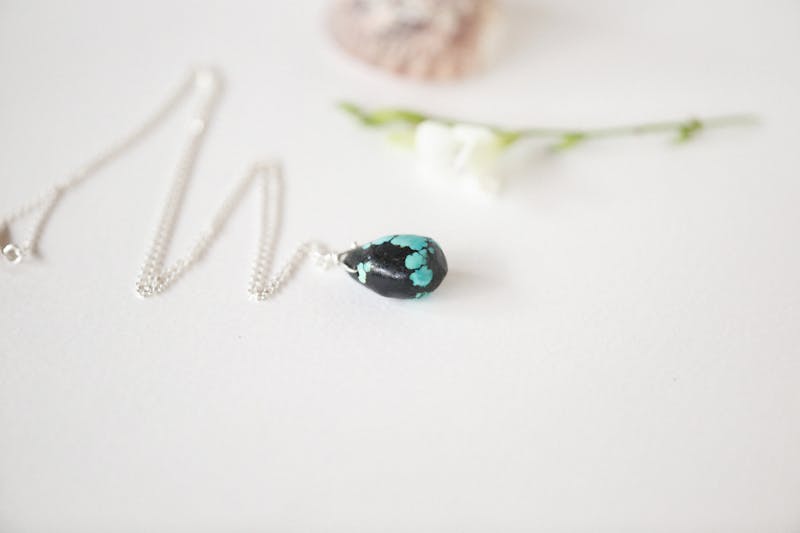
Turquoise has been used in jewelry for over 7,000 years, and it's easy to understand why. That distinctive blue-green color, ranging from sky blue to deep green with matrix patterns, makes it one of the most recognizable gemstones in the world. But here's the thing about turquoise: it's surprisingly fragile.
If you've ever had a turquoise ring turn green, a turquoise bracelet crack after getting wet, or a turquoise pendant lose its color over time, you know the frustration. Most turquoise damage isn't accidental — it's caused by simple mistakes that are easy to avoid once you understand what this stone needs.
This guide covers everything you need to know about keeping your turquoise jewelry looking beautiful for years.
Why Turquoise Needs Special Care
Turquoise is a relatively soft, porous stone. On the Mohs hardness scale, it rates 5-6, which means it can be scratched by glass, quartz, and many common household surfaces. More importantly, turquoise is porous — it has tiny microscopic holes throughout its structure that can absorb liquids, oils, and chemicals.
This porosity is what makes turquoise so vulnerable. When turquoise absorbs water, it can discolor. When it absorbs oils from your skin or chemicals from soap and perfume, it can turn greenish, yellowish, or develop a dull film. Over time, exposure to the wrong conditions can cause cracking, fading, or even structural damage.
Understanding this is the foundation of turquoise care: protect it from things it can absorb, protect it from things that can scratch it, and store it properly.
The Golden Rule: Keep Turquoise Dry
This is the single most important rule for turquoise care. Water is the enemy.
Natural turquoise is porous and will absorb moisture. When it does, the minerals in the water can react with the copper content in turquoise, causing color changes. Prolonged exposure to water can also weaken the stone over time, making it more prone to cracking.
Remove turquoise jewelry before showering, bathing, or swimming. This is non-negotiable. Chlorine in pools is particularly damaging — it can eat away at the stone and any metal settings. Saltwater in the ocean is nearly as bad, and the combination of sun, salt, and sand is devastating to turquoise.
Don't wash dishes or clean with turquoise rings or bracelets on. Even mild dish soap can affect the stone's surface over time, and the prolonged contact with water is harmful.
If your turquoise does get wet, dry it immediately with a soft, lint-free cloth. Don't use heat — a hair dryer or radiator can cause thermal shock and crack the stone. Just pat it gently and let it air dry completely before storing.
Sweat is another source of moisture to be aware of. Turquoise bracelets worn during exercise or in hot weather will absorb perspiration, which contains salts and acids that can discolor the stone. If you're going to be active or it's particularly hot, take your turquoise off.
Cleaning Turquoise: The Right Way
Turquoise needs to be cleaned, but the method matters enormously. Here's the correct process:
Start with a dry, soft cloth. For routine cleaning, a microfiber cloth or a soft jewelry polishing cloth is all you need. Gently wipe the stone to remove dust, oils, and everyday residue. No water, no soap, no chemicals.
For slightly more thorough cleaning, you can use a barely damp cloth — not wet, just barely moist. Use only plain water, no soap, no cleaning solutions. Wipe gently and dry immediately.
If your turquoise has dirt in crevices or around the setting, use a very soft toothbrush (baby toothbrushes work well) with dry bristles. Brush gently to dislodge debris, then wipe away with a soft cloth. Do not use any liquid with the brush.
Things to absolutely never use on turquoise: ultrasonic cleaners (the vibrations can crack porous stones), steam cleaners (heat and pressure damage turquoise), commercial jewelry cleaning solutions (they contain chemicals that react with turquoise), silver polish or metal cleaners (they'll get on the stone and discolor it), toothpaste (too abrasive), baking soda paste (too abrasive), vinegar or lemon juice (acids dissolve turquoise), and acetone or nail polish remover (harsh chemicals).
Understanding Turquoise Treatments
Most turquoise on the market today has been treated in some way, and knowing what treatment your stone has received affects how you care for it.
Natural turquoise is untreated — just mined, cut, and polished. It's the most valuable but also the most vulnerable. If you own natural turquoise, follow all care guidelines strictly. It's the most porous and the most easily damaged.
Stabilized turquoise has been impregnated with a clear resin or polymer under pressure. This fills the pores and makes the stone harder and less absorbent. Most turquoise in affordable jewelry is stabilized. It's more durable than natural turquoise, but the resin can still be damaged by heat and harsh chemicals.
Reconstituted turquoise is made from turquoise fragments ground into powder and mixed with resin, then formed into solid pieces. It's the most durable but the least valuable. Care for it like you would any resin-based jewelry.
How to tell what you have: Natural turquoise tends to change color slightly over time as it absorbs oils from your skin — this is considered a desirable characteristic. Stabilized turquoise maintains its color more consistently. If your turquoise hasn't changed at all in years of wear, it's probably stabilized. A jeweler can test it for you if you're not sure.
Storing Turquoise Jewelry
Proper storage is almost as important as proper cleaning.
Store turquoise in a dry place. Humidity is harmful, so avoid storing it in the bathroom. A jewelry box in a bedroom or closet is ideal. If you live in a humid climate, consider adding a small silica gel packet to your jewelry box.
Keep turquoise away from direct sunlight. Prolonged UV exposure can fade the color, especially in lighter turquoise. Store pieces in a closed box or pouch rather than on a display stand in a sunny window.
Store each piece separately. Turquoise can be scratched by harder stones, and the metal settings can scratch other stones. Use individual soft pouches or compartments in your jewelry box.
Silk or velvet pouches are ideal for turquoise storage. The fabric is soft enough not to scratch and breathable enough to prevent moisture buildup. Avoid plastic bags, which can trap humidity.
For long-term storage, wrap turquoise in acid-free tissue paper and place it in a sealed container with a silica gel packet. Check on it every few months to make sure the silica is still active.
Protecting Turquoise from Chemicals
Turquoise is highly sensitive to chemicals, and you'd be surprised how many everyday products can damage it.
Perfume, cologne, and scented lotions should never touch turquoise. Apply these products and let them dry completely before putting on turquoise jewelry. Even better, put your turquoise on last when getting ready and take it off first when undressing.
Hair products including hairspray, gel, and mousse can settle on turquoise and create a film. Again, apply hair products before putting on your jewelry.
Sunscreen and insect repellent contain chemicals that can discolor turquoise. Remove turquoise jewelry before applying these products.
Household cleaning products are particularly dangerous. Never wear turquoise while cleaning. Bleach, ammonia, and even "natural" cleaning products can damage the stone.
Hand sanitizer has become a concern since 2020. The alcohol in hand sanitizer can damage turquoise and especially the metal settings. Remove turquoise rings before sanitizing your hands, or use sanitizer before putting on your jewelry.
What to Do About Turquoise Turning Green
One of the most common problems with turquoise jewelry is the stone gradually turning green. This usually happens for one of three reasons:
Skin contact: The natural oils and acids from your skin can react with the copper in turquoise over time, causing a greenish tint. This is more common with natural turquoise and with people who have more acidic skin. It's not harmful to the stone, but it does change the appearance.
Chemical exposure: Contact with soaps, lotions, or cleaning products can cause discoloration. The green is usually accompanied by a dull, cloudy appearance. This type of damage is harder to reverse.
Copper degradation: Some turquoise contains copper as part of its natural composition. Over very long periods, the copper can oxidize and create green spots. This is a natural process and can't be prevented.
Can you reverse green turquoise? Unfortunately, once turquoise has absorbed substances that cause discoloration, there's no safe DIY method to reverse it. Professional jewelers who specialize in turquoise restoration may be able to help, but it's not guaranteed. Prevention is absolutely the best approach.
Caring for Turquoise in Silver Settings
Most turquoise jewelry is set in sterling silver, which adds its own care considerations.
The silver will tarnish over time, but don't use silver polish on pieces that contain turquoise. The polish will get on the stone and cause damage. Instead, use a silver polishing cloth — the type impregnated with a gentle cleaning agent — and carefully polish only the metal parts, avoiding contact with the stone.
If the silver is heavily tarnished and needs more aggressive cleaning, take the piece to a jeweler who can clean the metal without affecting the stone. They can also check that the turquoise is securely set.
Watch for loose settings. Turquoise is often set in bezels (a thin metal rim that holds the stone in place). Over time, the bezel can become slightly loose, especially if the piece takes knocks. If you notice any movement in the stone, get it re-tightened before the stone falls out.
When to Seek Professional Help
Some situations call for a professional jeweler rather than DIY care:
A crack has developed in the stone. Small cracks can sometimes be stabilized by a professional to prevent them from spreading. Don't try to fix cracks yourself — household adhesives can damage turquoise.
The stone has become loose in its setting. A jeweler can tighten the bezel or prongs to secure the stone properly.
You need a deep cleaning that routine wiping can't achieve. A professional jeweler who works with turquoise can clean it safely using methods not available at home.
You want to restring a turquoise beaded necklace or bracelet. The knots between beads need to be tied correctly to protect both the stones and the wearer.
Traveling with Turquoise
If you're bringing turquoise jewelry on a trip, take extra precautions:
Pack it in your carry-on, not checked luggage. Checked bags go through more extreme temperature and humidity changes, and you don't want your jewelry rattling around.
Use a dedicated jewelry travel case with individual compartments. Don't toss turquoise pieces in together.
Consider leaving valuable turquoise at home when traveling to humid tropical destinations. The combination of heat, humidity, salt air, and sunscreen is a worst-case scenario for turquoise.
Final Tips
The key to turquoise care can be summed up in three words: keep it dry, keep it clean, keep it separate. Remove it before water activities, clean it only with a dry soft cloth, store it away from other jewelry, and keep it away from chemicals.
With proper care, turquoise jewelry can last generations. Some of the most beautiful turquoise pieces in museums are hundreds of years old. The stone in your necklace or ring has already survived millions of years underground — with a little attention from you, it can stay beautiful for the rest of your life and beyond.

Comments