How to Clean and Care for Your Handmade Jewelry: The Complete Guide
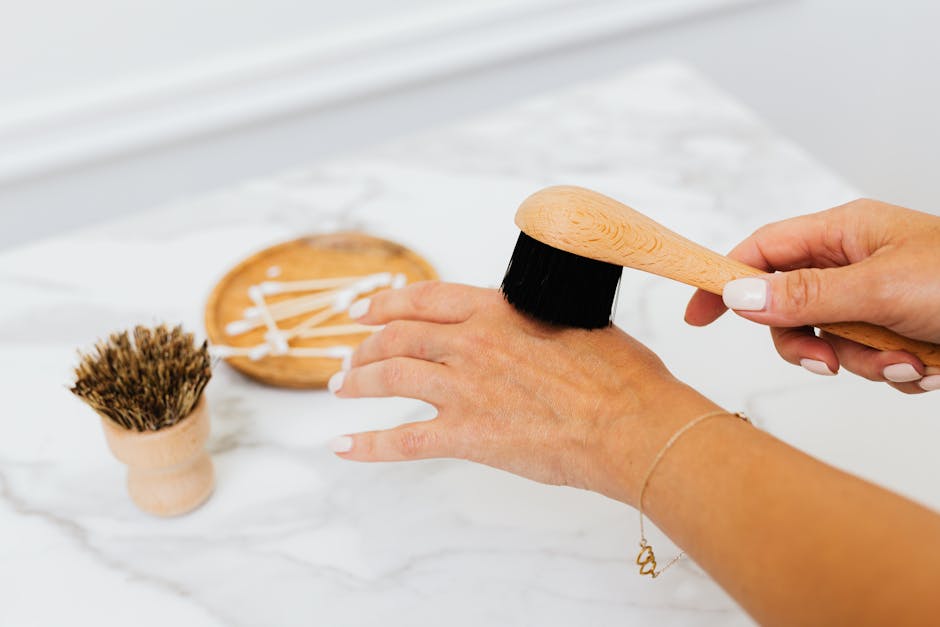
Handmade jewelry deserves better care than just tossing it in a drawer. The materials used in artisan pieces — natural gemstones, copper wire, sterling silver, silk thread — each have their own needs. Learn the right techniques and your handmade treasures will look beautiful for years.
In this guide, I'll cover everything from daily maintenance to deep cleaning for the most common handmade jewelry materials.
General Rules for All Handmade Jewelry
Before we get into specifics, here are the universal principles that apply to virtually all handmade pieces:
- Last on, first off. Put your jewelry on after applying perfume, lotion, and makeup. Take it off before swimming, showering, or exercising.
- Store pieces separately. Harder stones can scratch softer ones. Chain can tangle. Use individual pouches, compartments, or hang necklaces on a jewelry tree.
- Keep away from extreme temperatures. Don't leave jewelry in a hot car or near a window. Heat can damage adhesives, fade colors, and even crack certain stones.
- Handle with clean, dry hands. Oils and dirt from your fingers build up over time, especially on porous stones and matte metals.
Caring for Crystal and Gemstone Jewelry
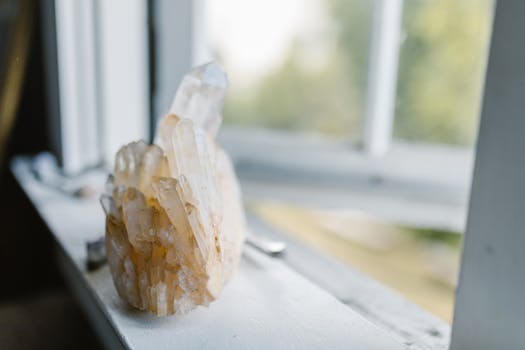
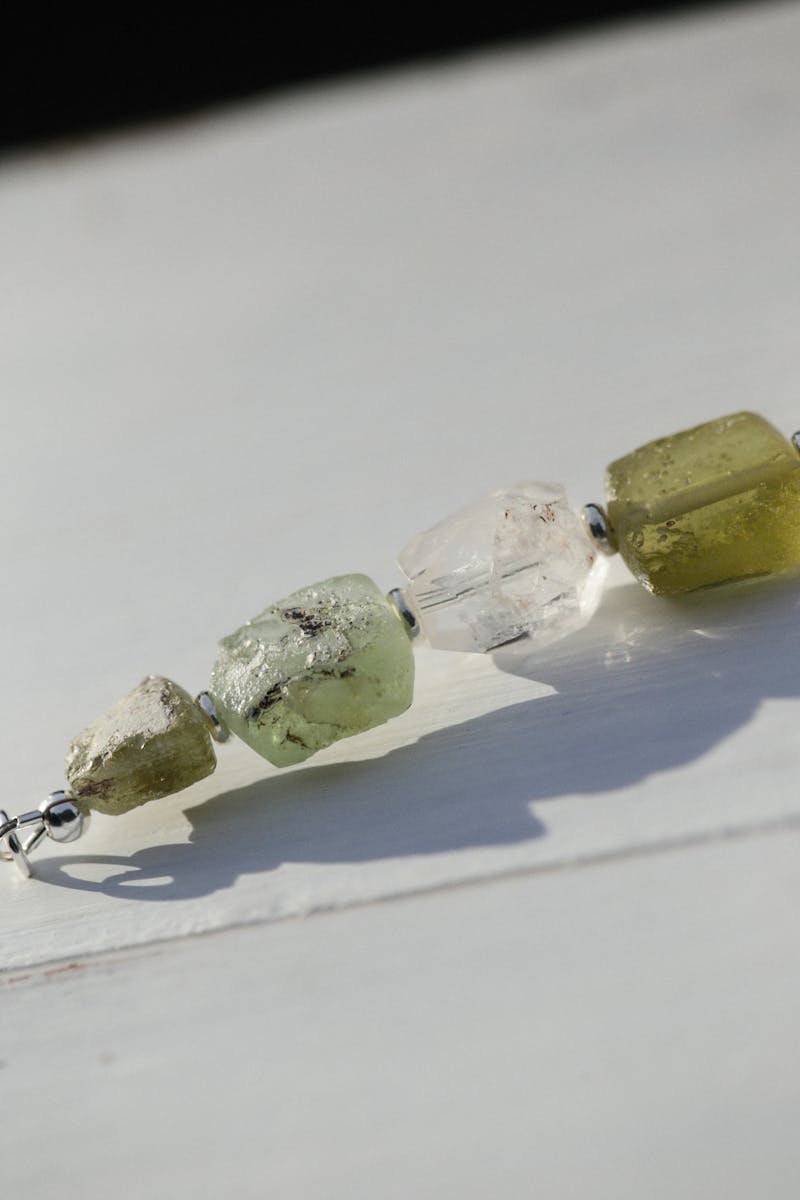
Natural gemstones are surprisingly durable, but they're not indestructible. Here's how to keep them looking their best:
Daily Care
Wipe your crystal jewelry with a soft, lint-free cloth after each wear. This removes body oils and prevents buildup that can dull the stone's natural luster. A microfiber cloth works perfectly.
Deep Cleaning
For a more thorough clean:
- Fill a bowl with lukewarm water and a drop of mild dish soap.
- Soak the jewelry for 2-3 minutes.
- Gently scrub with a soft toothbrush, paying attention to crevices around wire wraps and settings.
- Rinse thoroughly under running lukewarm water.
- Pat dry with a soft cloth and let it air dry completely before storing.
Stones That Need Special Care
- Pearls and opals: Never soak these. Wipe only with a damp cloth. They're porous and can absorb water, which damages them over time.
- Amethyst and rose quartz: Avoid prolonged sun exposure — UV light can fade their color. Store in a dark place.
- Turquoise and malachite: These are porous and sensitive to chemicals. Keep away from perfume, cleaners, and even some soaps.
- Selenite and halite: These dissolve in water. Never get them wet — dry cloth only.
Caring for Copper and Wire-Wrapped Jewelry
Copper is one of the most popular materials in handmade wire jewelry, but it has a tendency to tarnish. Here's how to manage it:
Preventing Tarnish
Store copper jewelry in an airtight bag with an anti-tarnish strip. You can also apply a thin coat of clear nail polish or Renaissance Wax to slow oxidation. Some people actually love the patina that develops on copper — it gives each piece a unique, lived-in character.
Cleaning Copper
For bright copper:
- Lemon juice + salt: Create a paste, apply to the copper, let sit for a few minutes, then rinse. This is the most effective natural method.
- Ketchup: The acid in ketchup works surprisingly well on copper. Apply, wait 10 minutes, rinse, and dry.
- Commercial copper cleaner: Use sparingly and follow directions. These are effective but harsh.
After cleaning, rinse thoroughly and dry completely. Any residual moisture accelerates tarnishing.
Caring for Sterling Silver Jewelry
Sterling silver (92.5% silver, 7.5% copper) tarnishes when it reacts with sulfur in the air. Prevention and regular cleaning keep it shining.
Prevention
Wear your silver jewelry often — the natural oils in your skin actually help prevent tarnish. When storing, use anti-tarnish strips or bags. Avoid contact with rubber bands, wool, and latex, as these accelerate tarnishing.
Cleaning
- Polishing cloth: For light tarnish, a silver polishing cloth is all you need. Keep one in your jewelry box.
- Baking soda paste: Mix 3 parts baking soda with 1 part water. Apply with a soft cloth, rub gently, rinse, and dry.
- Aluminum foil method: Line a bowl with aluminum foil, add hot water, 1 tablespoon baking soda, and 1 teaspoon salt. Soak silver for 2-3 minutes. The chemical reaction transfers tarnish to the foil.
Caring for Beaded Jewelry (Silk Thread)
Many handmade beaded necklaces and bracelets are strung on silk thread, which requires special attention:
- Never hang silk-strung pieces. Gravity stretches the thread over time. Store them flat.
- Restring every 1-2 years if you wear the piece regularly. Silk weakens with wear, and a break means lost beads.
- Avoid water. Silk stretches when wet and can weaken. Remove silk-strung jewelry before washing hands or swimming.
- Don't pull on the thread. When putting on a beaded necklace, drape it gently rather than pulling it over your head with force.
When to Take Your Jewelry to a Professional
While most maintenance can be done at home, some situations call for professional help:
- A stone has become loose in its setting
- A wire-wrapped piece has lost its shape and needs re-forming
- You're unsure about cleaning a particularly delicate or valuable piece
- A clasp needs replacing
- There's visible damage that you can't fix yourself
Building a Simple Care Routine
You don't need to spend hours on jewelry maintenance. A simple routine takes just a few minutes:
- After wearing: Wipe with a soft cloth before putting away.
- Weekly: Give your most-worn pieces a quick wipe with a jewelry cloth.
- Monthly: Do a deeper clean on pieces that are looking dull.
- Every few months: Check for loose stones, stretched thread, or worn clasps.
A little care goes a long way. Your handmade jewelry was made with skill and attention — treat it with the same respect, and it will reward you with years of beauty.
Comments