Can You Shower With Your Bracelet On? The Honest Answer
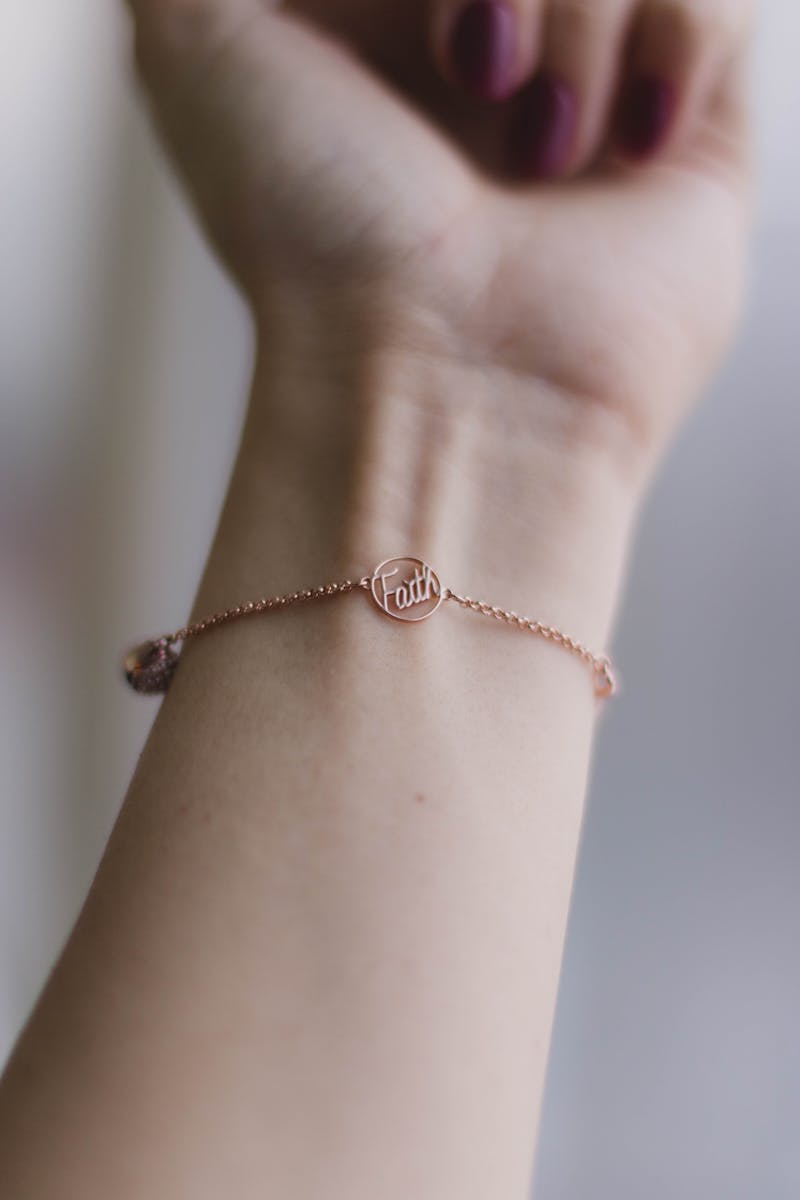
Can You Shower With Your Bracelet On? The Honest Answer
Meta description: Discover the truth about showering with your bracelet on, including the risks and care tips for your jewelry. Learn more from SageStone.
Understanding the Composition of Your Bracelet
Your bracelet's ability to withstand water is largely determined by its composition. Natural stone bracelets, such as those made from agate, rose quartz, or amber, are typically durable and can handle water. However, metals like gold, silver, or plated metals may not fare as well. It's essential to know what your bracelet is made of to make an informed decision.
Risks of Showering with Your Bracelet On
While some bracelets can withstand water, there are risks to consider. Metal bracelets can tarnish or discolor due to the chemicals present in water, such as chlorine. Additionally, natural stones may become dulled or etched over time. Furthermore, if your bracelet has charms or pendants, they may come loose or be damaged during the shower.
It's also worth noting that water can exacerbate any existing damage, such as cracks in stones or worn-out clasps. This can lead to costly repairs or even the need to replace your cherished piece.
Care Tips for Your Bracelet
For natural stone bracelets, it's best to remove them before showering to protect their luster. If you do accidentally get them wet, gently pat them dry with a soft cloth. Avoid using harsh chemicals or abrasive materials that can scratch the surface.
Metals, on the other hand, should be kept away from water to prevent tarnishing. If you're in a situation where you can't remove your bracelet, such as during a quick rinse, make sure to dry it thoroughly after your shower.
Regular cleaning with a soft cloth and a mild soap can help maintain the appearance of your bracelet. However, always consult the care instructions provided by the manufacturer to avoid any potential damage.
How to Buy Water-Resistant Bracelets
When purchasing a bracelet for daily wear, opt for water-resistant styles. Look for bracelets made with durable materials, such as stainless steel or titanium, which are less prone to tarnishing. If you prefer natural stones, consider purchasing a bracelet that's designed specifically for water exposure, such as those with a coated or treated stone.
Additionally, consider investing in a bracelet with a sturdy clasp and a chain or link design that minimizes the risk of stones or pendants coming loose. It's also a good idea to ask the seller about their return policy in case your bracelet sustains damage from water exposure.
Conclusion
While some bracelets can withstand water, it's generally recommended to remove your jewelry before showering to ensure its longevity and maintain its appearance. By understanding the composition of your bracelet and following proper care tips, you can enjoy your jewelry for years to come. When shopping for a new bracelet, prioritize durability and water resistance to ensure it can withstand your daily activities.
- Always check the composition of your bracelet before exposing it to water.
- Remove your bracelet during activities that involve water to prevent damage.
- Clean your bracelet regularly with a soft cloth and mild soap.
- Invest in water-resistant styles if you lead an active lifestyle.
Related Articles
- How to Cleanse Your Crystal Bracelet: 7 Methods That Actually Work
- How to clean silver jewelry at home with things you already have
- How to Fix a Stretched Elastic Bracelet Without Restringing
- Rose Quartz: The Stone of Love and What It Symbolizes
- Copper bracelet benefits: what science says and what people believe
Comments