Birthstone Jewelry Gift Ideas for Every Month
Beyond the Calendar: Why Birthstone Jewelry Actually Works as a Gift
My mom has worn the same small garnet ring for about twenty years. It's not valuable — probably cost less than $40 when my dad bought it. But she never takes it off. The reason isn't the stone's quality or the ring's design. It's that garnet is her birthstone, and the ring was a birthday gift from her husband. That combination — personal, intentional, tied to her identity — turned an inexpensive piece of jewelry into something she considers irreplaceable.
That's the case for birthstone jewelry in a nutshell. It's not about the stone itself being magical or superior to any other stone. It's about the meaning attached to it. When you give someone a piece of jewelry connected to their birth month, you're telling them you thought about who they are, not just what they might like.
The Twelve Birthstones: What Each One Brings to a Gift
January — Garnet
Garnets range from deep red to brownish-orange, with the most commonly seen variety being a dark, slightly purplish red. The color is rich and noticeable, which makes even small garnet pieces visually impactful. Garnet jewelry has been found in ancient Egyptian tombs and Roman signet rings, giving it one of the longest documented histories of any gemstone used in personal adornment.
As a gift, garnet works well because the deep red color feels warm and substantial. It's not a flashy stone, which suits people who prefer understated jewelry. A small garnet pendant or a pair of garnet stud earrings feels considered without being showy.
February — Amethyst
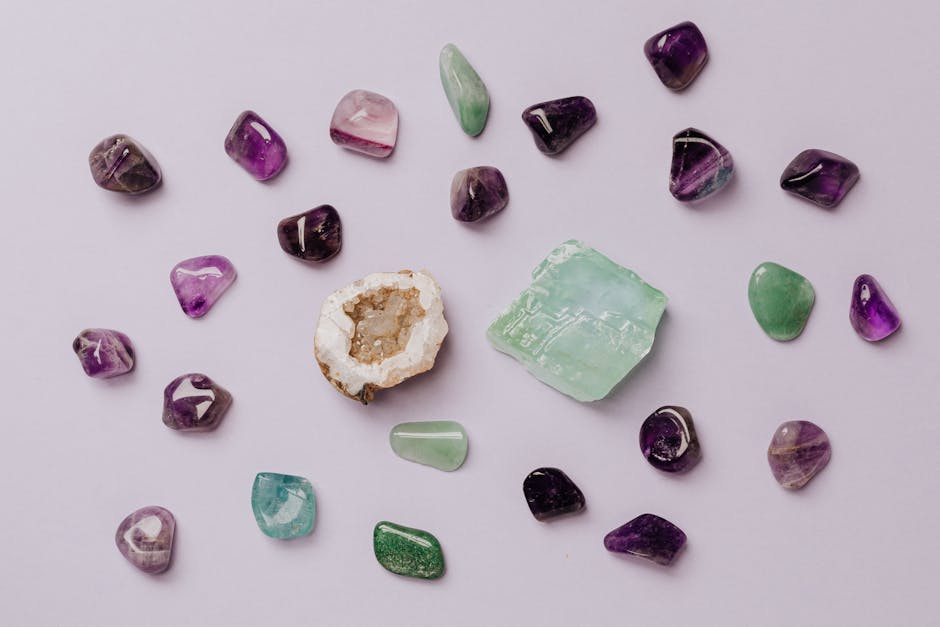
Amethyst is a purple variety of quartz, and it's one of the more widely available birthstones, which keeps prices reasonable. The color ranges from pale lavender to deep violet, with the mid-range purple being the most popular for jewelry. Brazil produces the majority of the world's amethyst supply, and the stone has been used in jewelry for at least 2,500 years — ancient Greek and Roman artisans carved it into drinking vessels and seals.
Amethyst's accessibility is a genuine advantage for gift-giving. You can find quality amethyst pieces across a wide price range, from $20 beaded bracelets to several-hundred-dollar faceted pendants. The purple color complements both warm and cool skin tones, making it a relatively safe color choice even if you're unsure about the recipient's preferences.
March — Aquamarine
Aquamarine is the blue-green variety of beryl, the same mineral family as emerald. The name literally means "seawater" in Latin, and the best specimens have a clear, pale blue color that resembles tropical ocean water. The stone is relatively durable (7.5–8 on the Mohs scale), which means it holds up well in everyday jewelry like rings and bracelets.
The pale blue color is aquamarine's defining characteristic and its main gift appeal. It's a soft, calming color that reads as elegant without being cold. Aquamarine looks particularly good in white gold or silver settings, which enhance the blue tones. If the recipient tends to wear cool-toned clothing or jewelry, aquamarine is likely to fit naturally into their collection.
April — Diamond
Diamond is April's birthstone, and yes, it's the most expensive option on this list. But birthstone jewelry doesn't require a large stone. A small diamond accent — a tiny chip set in a pendant, a pair of small diamond studs, a diamond-accented band — captures the birthstone connection without the price tag of a traditional diamond ring.
Practically speaking, if you're buying a diamond birthstone gift, focus on cut quality over carat size. A well-cut small diamond will have more brilliance and fire than a poorly cut larger one. For pendants and earrings, where the stone is viewed from a conversational distance, even a 0.1-carat diamond in a good setting looks genuinely attractive.
May — Emerald
Emerald is the green variety of beryl, prized for its rich color that ranges from bluish-green to pure green. Colombia produces the most famous emeralds, though Zambia and Brazil are also significant sources. Emeralds are relatively softer than many other gemstones (7.5–8 on the Mohs scale, but often containing inclusions that can affect durability), which makes them better suited for pendants and earrings than for rings that take daily wear.
The green of a good emerald is genuinely distinctive — there's a depth and warmth to it that few other stones match. As a gift, emerald jewelry carries a sense of luxury and significance. Even a small emerald pendant in a simple gold setting looks like a substantial, thoughtful gift.
June — Pearl
June has two birthstones: pearl and alexandrite. Pearl is far more common and practical for gift-giving. Cultured freshwater pearls are widely available and affordable, while saltwater Akoya and South Sea pearls command higher prices. Pearls come in white, cream, pink, lavender, and black varieties.
Pearls are uniquely versatile because they work in both casual and formal settings. A pearl pendant necklace is appropriate for a office meeting, a dinner date, or a wedding. They're also one of the few gemstones that genuinely suit every age group — a pearl bracelet on a 20-year-old looks fresh, and the same style on a 70-year-old looks elegant.
July — Ruby
Ruby is the red variety of corundum (sapphire is the same mineral in other colors). The most valued color is a vivid, slightly purplish red sometimes called "pigeon's blood" red, though that specific shade commands premium prices. Myanmar (Burma) has historically produced the finest rubies, though Mozambique is now a major source.
Ruby's intense color makes it one of the more visually striking birthstones. Even small ruby pieces draw the eye. As a gift, ruby conveys warmth and significance. It's traditionally associated with passion and vitality in various cultural traditions, which adds a layer of meaning to a birthday or anniversary gift beyond just "it's your birthstone."
August — Peridot
Peridot is one of the few gemstones that occurs in only one color: green. The specific shade ranges from yellowish-green to olive-green, with the brighter, more lime-toned specimens being most popular for jewelry. Peridot is formed in volcanic rock and has even been found in meteorites, giving it a genuinely unique geological origin story.
The bright green color is peridot's main selling point. It's cheerful, noticeable, and distinctive — not many other stones have that specific yellow-green tone. Peridot looks excellent in yellow gold settings, which warm up the stone's natural color. As a gift, it's a good choice for someone who likes colorful jewelry but might already own plenty of blue or red pieces.
September — Sapphire
Sapphire is corundum in any color except red (which is ruby). Blue is the most famous and most commonly associated with September, but sapphires exist in yellow, pink, green, and even colorless varieties. Blue sapphires range from very dark navy to bright cornflower blue, with medium blue being the most popular for jewelry.
Sapphire's hardness (9 on the Mohs scale, second only to diamond) makes it one of the most durable gemstones available. This is a genuine practical advantage for rings and everyday-wear pieces. A sapphire ring can handle decades of daily wear without significant wear or damage. If you're buying a birthstone piece that the recipient will wear often, sapphire is one of the safest long-term choices.
October — Opal
Opal is unique among gemstones because of its play of color — the way light diffracts through its internal structure to produce shifting flashes of different colors. No two opals display exactly the same pattern, which means every opal piece is genuinely one-of-a-kind. Australian opals are the most widely known, though Ethiopia has become a significant source in recent years.
The uniqueness factor is opal's biggest gift appeal. When you give someone an opal, you're giving them something that literally cannot be replicated. The play-of-color effect makes opal jewelry endlessly interesting to look at — the stone seems to change depending on the angle and the lighting. Opals are softer than many other gemstones (5.5–6.5 on the Mohs scale), so they're best in pendants, earrings, or occasionally-worn rings rather than pieces that take heavy daily wear.
November — Topaz and Citrine
November has two birthstones: topaz (traditionally golden or yellow) and citrine (yellow to amber quartz). Citrine is more affordable and widely available, while golden topaz tends to have a deeper, richer color. Both stones share a warm yellow-to-amber tone that works well in fall and winter wardrobes.
Citrine is often recommended as a budget-friendly alternative to yellow topaz, and for gift-giving purposes, it's a perfectly valid choice. The warm golden color reads as cheerful and approachable. Citrine pairs particularly well with yellow gold settings, which enhance its natural warmth. For someone with a November birthday who appreciates earthy, warm-toned jewelry, either stone is a solid pick.
December — Turquoise, Tanzanite, and Zircon
December has three birthstone options, with turquoise being the most traditional and widely recognized. Turquoise has been used in jewelry for thousands of years — ancient Persian, Egyptian, and Native American cultures all valued it highly. Its distinctive blue-green color with natural matrix patterns makes it instantly recognizable.
Tanzanite, discovered in Tanzania in 1967, is a relative newcomer to the birthstone list. Its violet-blue color is unique among gemstones, and it's found in only one location on Earth, which gives it natural rarity. Zircon (not to be confused with cubic zirconia) comes in a range of colors, with blue zircon being the traditional December choice.
For gift-giving, turquoise is the most accessible and culturally rich option. It's relatively affordable, distinctive, and carries thousands of years of jewelry tradition. Tanzanite is the choice for someone who wants something rarer and more contemporary. Both work well in silver or white gold settings.
Practical Gift-Giving Tips
Know the recipient's metal preference. The stone matters, but the metal setting is what determines whether the piece fits into their existing jewelry rotation. If they wear mostly silver, a gold-set birthstone will stand out awkwardly in their collection.
Consider the jewelry type based on their habits. Someone who never wears earrings won't benefit from birthstone studs. Someone who wears a watch daily might prefer a bracelet that fits alongside it. Someone who dresses formally for work might get more use from a pendant than a casual beaded bracelet.
Include a note about the significance. Not everyone knows their birthstone, and even those who do might not know the stone's background or cultural history. A brief note explaining why you chose that specific stone adds meaning to the gift.
Size matters less than you think. A tiny, well-cut birthstone in a quality setting looks better than a large, poorly cut one. Focus on quality over quantity, especially for stones like ruby and emerald where color intensity matters more than size.
Comments