Ancient Jewelry Symbols and Their Meanings
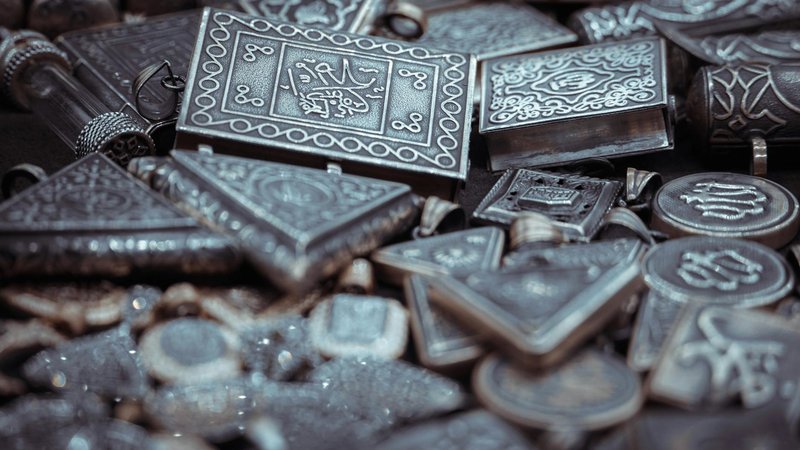
When I first visited the Egyptian galleries at the Metropolitan Museum, I was struck by how little the purpose of ancient jewelry had changed. A necklace of lapis lazuli and carnelian from 2000 BCE looked like modern fashion jewelry until I read the placard explaining its meaning — every amulet had a specific protective power, every color held symbolic significance.
Today we wear jewelry primarily for adornment and status. But in most ancient cultures, jewelry served as communication — a language of symbols, materials, and placement that conveyed identity, protection, status, and belief. An amulet wasn't just decoration; it was a portable prayer, a protective shield, a statement about one's place in the world.
Understanding the symbolic language of ancient jewelry isn't just historical curiosity. These symbols still influence modern jewelry design, cultural meanings, and the way we interpret jewelry's emotional significance. Here's how ancient cultures used jewelry as language, and how those meanings continue to resonate today.
Jewelry as Identity: Who You Are
In many ancient societies, your jewelry spoke louder than words. It announced your social status, family connections, and even your health and spiritual standing. The pieces you wore weren't chosen based on fashion, but based on who you were and what you needed to communicate.
Social Hierarchy Displayed
The jewelry you wore immediately announced your place in the social hierarchy:
- Ancient Egypt (3100-30 BCE): Gold was reserved for royalty and the highest priests. Pharaohs wore multiple collars, pectoral plates, and arm rings made of solid gold with inlaid lapis lazuli and carnelian. Nobles wore gold but with fewer inlays. Commoners might wear copper or silver if they could afford it at all. The size, weight, and complexity of jewelry directly correlated with social rank.
- Rome (753 BCE-476 CE): Roman citizens wore rings to show citizenship. Under the Republic, only aristocrats wore gold rings. By the Empire, free citizens could wear gold rings, but former slaves and freedmen were legally restricted to iron rings. The ring became so central to identity that "ring finger" (annularius) was a standard term in Roman law.
- Ancient China (Neolithic to Han Dynasty): Jade disks (bi) and tubes (cong) were status symbols. During the Zhou Dynasty, jade ornaments of specific shapes were reserved for nobles of different ranks. The jade disk represented heaven and was worn by emperors and high nobles. Only those with the proper ancestral lineage could wear certain jade types.
These weren't just rules — they were deeply encoded in visual culture. Seeing someone's jewelry told you everything you needed to know about their social standing without a word.
Family and Lineage Identification
Jewelry also announced family connections and tribal identity:
- Celtic Europe (800 BCE-1 CE): Celtic tribes had distinctive styles of fibulae (brooches) and torcs (neck rings). The shape of a fibula, the style of a torc, and the materials used could identify which tribe someone belonged to. This was crucial for establishing alliances and avoiding hostilities when encountering strangers.
- Native American tribes (Pre-Columbian): Different tribes used distinct materials (turquoise for Navajo, silver for Zuni, shell for coastal tribes) and distinctive bead patterns. The jewelry style immediately communicated tribal identity, which was essential for trade, diplomacy, and avoiding conflict.
- Medieval Europe (500-1500 CE): Family crests and heraldic designs were incorporated into jewelry. A nobleman's signet ring bore his family crest, which was used to seal documents and announce his authority. Even commoners might wear jewelry with symbols of their guild or occupation.
The jewelry you wore marked you as belonging to a group. In many cultures, removing certain pieces could mean you were renouncing your family or community.
Gender and Life Stage
Jewelry often announced your position in life cycles:
- Ancient Greece (800-146 BCE): Greek girls wore different styles than married women. Unmarried girls wore simpler jewelry, often with animal motifs like birds or small animals. Married women wore more substantial jewelry, often with symbols of fertility and household gods. Men wore simpler styles than women, but signet rings were universal for adult men.
- Renaissance Europe (1400-1600 CE): Engagement rings were introduced, initially as simple bands but gradually becoming more elaborate. A woman wearing a ring on her left ring finger was immediately identified as engaged or married. Widows continued to wear mourning jewelry — often black enamel and hair jewelry — which announced their status without words.
- Victorian era (1837-1901): Mourning jewelry had its own complex language. A widow might wear jet (black fossilized coal) jewelry for up to two years, then transition to lighter-colored mourning jewelry. The type, color, and duration of mourning jewelry clearly communicated one's loss and current stage of grief.
Jewelry served as a visual language that announced "I am X, from Y group, at this stage in my life." This reduced social friction and helped people navigate complex social interactions.
Jewelry as Protection: Warding Off Harm
In ancient cultures, jewelry wasn't just decorative — it was functional protection. Many pieces were specifically designed to ward off evil, prevent illness, and ensure safe journeys. These protective objects operated on multiple levels:
Evil Eye Protection
The concept of the evil eye — harmful energy transmitted by a malevolent gaze — exists in virtually every ancient culture. Jewelry evolved specifically to counteract this:
- Ancient Mediterranean (3000 BCE-500 CE): Eye-shaped amulets (protectors against the evil eye), especially blue glass eyes that would "reflect" the evil gaze back to the source. These were worn as pendants, bracelets, and incorporated into clothing. Blue was specifically chosen as the color of protection and healing.
- Middle East and North Africa: Nazar beads — blue circular beads with concentric blue and white circles — became the standard evil eye protection. These were incorporated into necklaces, bracelets, and even home decorations. The circle shape was believed to contain and neutralize the evil energy.
- Latin America: Ojo de Venado (deer eye) amulets were used to protect against mal de ojo (evil eye). These were typically carved from materials like obsidian or bone, featuring stylized eye designs.
The common element across all these traditions: protective jewelry featured strong circular shapes and blue colors to contain and deflect harmful energy. The jewelry literally served as a shield against spiritual harm.
Astronomical and Celestial Protection
Many cultures connected celestial bodies with protection and power:
- Egyptian amulets: The scarab beetle represented rebirth and protection. The ankh represented life and was worn as protection against death. The eye of Horus (udjat) symbolized healing and protection. These weren't decorative — they were believed to have actual protective power.
- Roman talismans: The phallus was a common protective symbol worn as pendants or incorporated into jewelry to ward off evil. Mars (the god of war) symbols protected soldiers in battle. Mercury symbols protected travelers.
- Norse mythology: Thor's hammer Mjolnir was worn as a protective amulet. The hammer symbolized protection, power, and blessing. It was worn by both men and women as a statement of pagan identity and divine protection.
These celestial symbols were believed to channel actual protective energy. Wearing them was like carrying a piece of the protective deity with you at all times.
Protection During Life Transitions
Vulnerable moments in life required special protection:
- Childhood: In many cultures, infants were given protective jewelry immediately. In ancient Rome, babies wore bulla — gold or leather pouches containing protective amulets. In ancient Greece, babies received amber amulets to protect against illness. These were removed at coming-of-age ceremonies.
- Weddings: Wedding rings weren't just about commitment — they were protective. In many traditions, the circular ring symbolized eternal protection and warding off evil spirits that might try to break up the union. In some cultures, wedding rings were consecrated with protective prayers.
- Death: Burial jewelry often served both to identify the deceased and to protect them in the afterlife. Ancient Egyptian burial jewelry often featured protective deities and spells. Norse warriors were buried with protective Mjolnir amulets for their journey to Valhalla.
Jewelry served as spiritual armor during times of vulnerability — birth, marriage, death — when people were considered most susceptible to spiritual harm.
Jewelry as Status: Visual Wealth and Power
The most obvious function of jewelry in many ancient cultures was displaying status. Jewelry was portable wealth and visual power that could be seen across rooms and generations.
Material Value = Social Value
The materials used in jewelry directly reflected social standing:
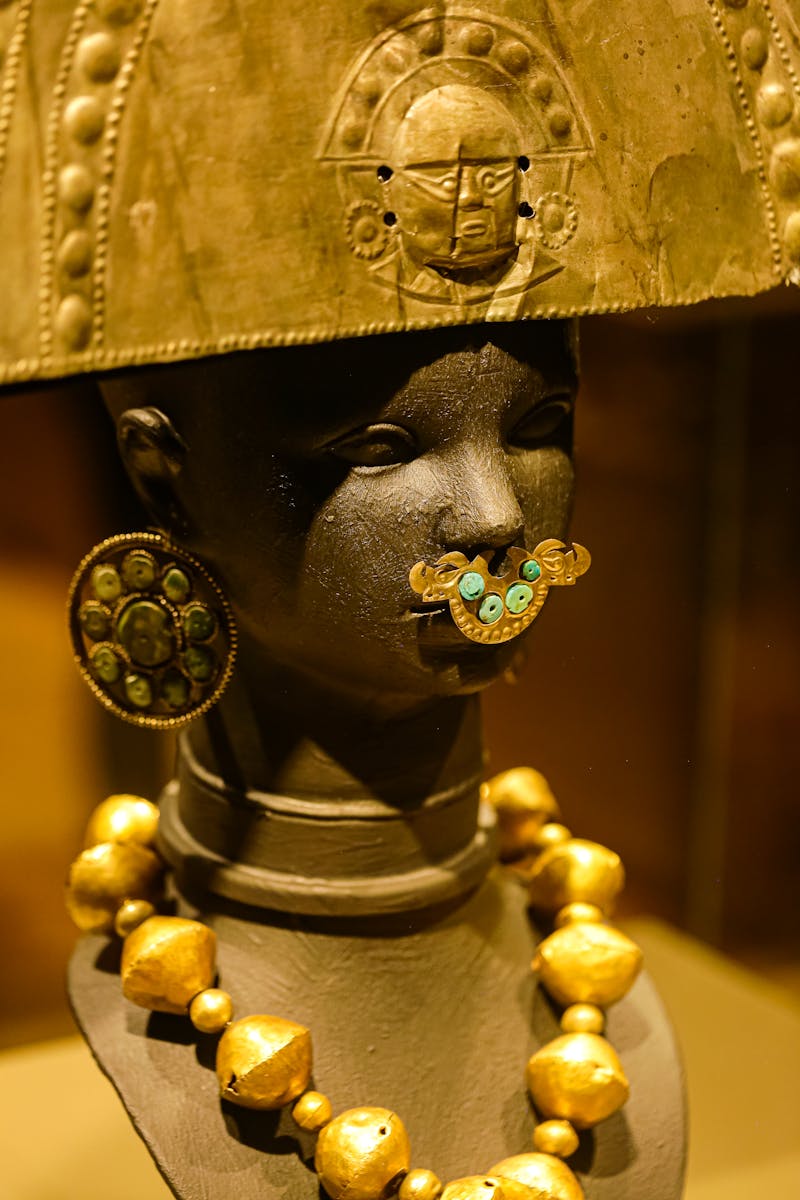
- Metals: In most ancient societies, precious metals followed strict hierarchical order: gold > silver > electrum (natural gold-silver alloy) > bronze > copper > iron. In ancient Egypt, only the pharaoh could wear pure gold. In pre-Columbian Americas, gold was used exclusively for religious and royal purposes, while commoners used shell, bone, and stone.
- Stone value: Emeralds, rubies, sapphires, and diamonds were rare and reserved for royalty. In ancient India, rubies were considered the most precious stone and were reserved for the highest caste. In ancient Rome, emeralds were imported from Egypt and worn only by the elite.
- Pearls: Natural pearls were incredibly rare and valuable in ancient times. In ancient China, pearls were so valuable that they were sometimes used as currency. In Rome, pearls were worn exclusively by senators and emperors.
The rarity of materials directly translated to social exclusivity. Owning certain jewelry instantly marked you as part of the ruling class.
Weight and Size Demonstrates Wealth
In many cultures, the amount of material used was as important as the material itself:
- Ancient Egypt: Pharaohs wore multiple heavy collars and pectorals weighing several kilograms. The weight demonstrated that the wearer could afford to carry valuable metal all day. Commoners might wear a single small pendant that weighed only a few grams.
- Medieval Europe: Nobility wore multiple rings on each hand — each ring represented additional wealth and status. The more rings, the higher the status. Some nobles wore so many rings that they needed specialized rings made to stack.
- Renaissance: The wealthy competed through jewelry displays. Elizabethan courtiers wore multiple necklaces, bracelets, and rings. The sheer volume of jewelry demonstrated wealth and status through quantity.
Heavy jewelry wasn't just decorative — it was a physical demonstration that you could afford valuable material that served no functional purpose except to show wealth.
Craftsmanship Demonstrates Power
Complexity and skill demonstrated social connections and resources:
- Egyptian cloisonné: Pharaonic jewelry featured incredibly complex cloisonné work with thin gold wires separating inlays of lapis lazuli, carnelian, and turquoise. This required highly skilled craftsmen who were state employees, not available to commoners.
- Greek filigree: Ancient Greek jewelry featured incredibly delicate filigree work — twisting gold wires into intricate patterns. This demonstrated access to master craftspeople and the patience to work with precious metal.
- Maya jade carving: Maya jade pendants and masks featured intricate carving that required specialized tools and craftsmen. The complexity of the work demonstrated royal connections to the best artisans.
Complex craftsmanship wasn't just about beauty — it was about demonstrating access to rare skills and the resources to employ skilled labor.
Jewelry as Spiritual Connection
In ancient cultures, jewelry often served as a direct connection to the divine, the ancestors, or spiritual forces. These pieces weren't decorative — they were conduits for spiritual energy and communication.
Deity Representation and Invocation
Wearing jewelry featuring deities allowed the wearer to carry divine presence:
- Egyptian: Amulets featuring deities like Isis, Horus, and Thoth were worn to invoke their protection. The wearers believed the amulets contained part of the deity's power. During major religious ceremonies, priests would wear multiple deity amulets to channel divine energy.
- Hindu: Temple jewelry featured representations of gods and goddesses. Wearing this jewelry outside of temple contexts was a way to carry divine blessing into everyday life. Certain gems were associated with specific deities — emeralds with Mercury, rubies with the Sun god.
- Christian: Crosses and crucifixes evolved from simple symbols to elaborate jewelry. Medieval reliquary jewelry contained actual relics of saints, allowing wearers to carry holy power with them. The more elaborate the cross, the higher the status and devotion of the wearer.
Deity jewelry served as a portable altar — a way to maintain spiritual connection throughout the day.
Ancestral Connection
Jewelry often connected wearers to their ancestors:
- African traditions: Many cultures wore jewelry that had been passed down through generations. The piece wasn't just valuable — it carried ancestral energy and protection. Some pieces had specific rituals for handling and were believed to connect the wearer directly to deceased ancestors.
- Chinese: Jade heirlooms were passed down through family lines. Each generation added to the collection, creating family-specific designs that represented continuity and ancestral blessing.
- Native American: Many tribes believed that jewelry contained ancestral spirits and protection. Specific designs and materials were traditional to the family, representing inherited spiritual power.
Heirloom jewelry wasn't just about inheritance — it was about maintaining a connection to ancestral wisdom and protection across generations.
Ritual Objects Made Portable
Many cultures turned ritual objects into wearable forms:
- Tibetan Buddhist: Malas (prayer beads) evolved from counting devices to wearable jewelry. The beads were believed to contain mantras and spiritual power. Wearing a mala was like carrying a portable temple with you.
- Islamic: Tasbih prayer beads were worn as bracelets or necklaces. The act of wearing them reminded the wearer to maintain connection to Allah throughout the day.
- Hindu: Rudraksha beads were worn as necklaces and bracelets. Each bead represented a different aspect of Shiva's power. Wearing rudraksha was believed to bring spiritual protection and blessings.
Ritual jewelry allowed people to maintain spiritual practices even while going about daily tasks.
Jewelry as Communication: Hidden Meanings
Beyond obvious status symbols, jewelry often contained hidden meanings that only those within the culture would understand. These served as coded communication in times of persecution, social restriction, or secret society membership.
Secret Society Communication
Fraternal and secret societies used jewelry to identify members:
- Freemasonry: Masonic rings and pendants contain symbols that communicate membership level and specific knowledge. The symbols allow Masons to recognize each other across cultures and social barriers.
- Chinese secret societies: Triads and other organizations used specific jewelry to communicate membership and status. A simple piece of jewelry could indicate someone's rank and allegiance without revealing sensitive information to outsiders.
- Ancient Greek mystery cults: Members of Eleusinian mysteries and other secret religious groups wore jewelry identifying them as initiates. These pieces allowed members to recognize each other while keeping their religious beliefs secret from the public.
Secret society jewelry served as identification in a time when membership could be dangerous.
Religious Codification
Religious groups used jewelry to communicate faith without explicit statements:
- Jewish: Star of David and mezuzah pendants allowed Jews to identify each other, especially during times of persecution. The symbols could be hidden under clothing but still provided community connection.
- Crypto-Christianity: In areas where Christianity was persecuted, Christians wore jewelry with subtle Christian symbols that could be interpreted as decorative by outsiders but clearly communicated faith to other believers.
- Mormon: The temple garment worn under clothing contains symbolic patterns that communicate religious commitment without being visible to outsiders.
Religious jewelry allowed people to maintain faith connections in times of social pressure.
Social Communication
Jewelry communicated relationship status and availability:
- Signet rings: Beyond showing family status, signet rings could also communicate marital status. A ring worn on the left hand vs. right hand could indicate different meanings in various European traditions.
- Bead colors: In some cultures, the color of beads in a bracelet could communicate mood, relationship status, or even political affiliation without explicit statements.
- Shape symbolism: The shape of a pendant could communicate availability or relationship status without being obvious to outsiders. A heart pendant could indicate romantic status, while geometric shapes might communicate professional or social status.
Jewelry served as visual shorthand for complex social information.
Ancient Symbols in Modern Jewelry
Many ancient symbols continue to appear in modern jewelry, often without wearers understanding their original meaning:
The Ankh
The Egyptian ankh symbol of life appears frequently in modern jewelry:
- Ancient meaning: Represented eternal life and divine breath of life. Carried by gods and goddesses to bestow life.
- Modern interpretation: Often worn as a symbol of life, spirituality, and ancient wisdom. Used in yoga jewelry, spiritual jewelry, and fashion pieces without understanding its specific Egyptian religious context.
The Eye
The eye motif appears constantly:
- Ancient meaning: The Eye of Horus in Egypt represented healing and protection. The evil eye in Mediterranean cultures was a protective amulet against harmful energy.
The Scarab
The beetle appears in many modern pieces:
- Ancient meaning: Represented rebirth and transformation. Egyptians believed the beetle emerged spontaneously from dung, symbolizing creation from nothing.
- Modern interpretation: Often worn as a good luck charm or fashion statement without understanding its specific Egyptian religious significance.
The Tree of Life
This universal symbol appears across cultures:
- Ancient meaning: Represented connection between heaven and earth, growth, wisdom, and ancestral connection. Found in Celtic, Norse, Egyptian, and many other traditions.
- Modern interpretation: Worn as a symbol of family, growth, and connection. Often customized with birthstones or family members' names.
Modern jewelry frequently uses ancient symbols without their original context, transforming them from meaningful spiritual objects to decorative fashion items.
The Language Continues
Even though we no longer wear jewelry primarily for spiritual protection or status display, the symbolic language of jewelry continues. Every piece we choose communicates something about who we are:
- Engagement ring: Still communicates commitment and social expectation, continuing the ancient tradition of using jewelry to announce relationship status.
- Graduation jewelry: Communicates achievement and social position, continuing the ancient use of jewelry to demonstrate accomplishment.
- Cultural heritage jewelry: Communicates identity and belonging, continuing the ancient tradition of using jewelry to announce group membership.
- Mourning jewelry: Still communicates loss and grief, continuing the Victorian tradition of using jewelry to express complex emotions.
The fundamental purpose of jewelry remains the same: to communicate who we are, what we believe, and what connections we have. The materials and styles change, but the language continues. Every piece of jewelry tells a story about the wearer — just as it did for our ancient ancestors.
Comments